Your baby rolls off the bed. Your toddler topples off the sofa. A few seconds of panic, a loud cry, and then a small swelling on the head. If your heart just dropped, you are not alone - head bumps are one of the most common reasons parents rush in worried. The good news: most are minor. But knowing the warning signs can make all the difference.
Quick Answer
Most head bumps in children are minor. A small swelling (a “goose egg”), a short cry, and then back to playing usually means a minor injury. What to do: comfort your child, apply a cloth-wrapped cold compress to the bump, let them rest, and watch them closely. It is okay for them to sleep - just check that they are rousable and breathing normally.
Call 112/108 or go to a hospital now if there is loss of consciousness (even briefly), a seizure (fit), repeated or forceful vomiting, increasing drowsiness or confusion, a severe or worsening headache, clear or bloody fluid from the nose or ears, weakness, slurred speech, or unequal pupils. Watch for 24-48 hours, and when in doubt, get your child checked.
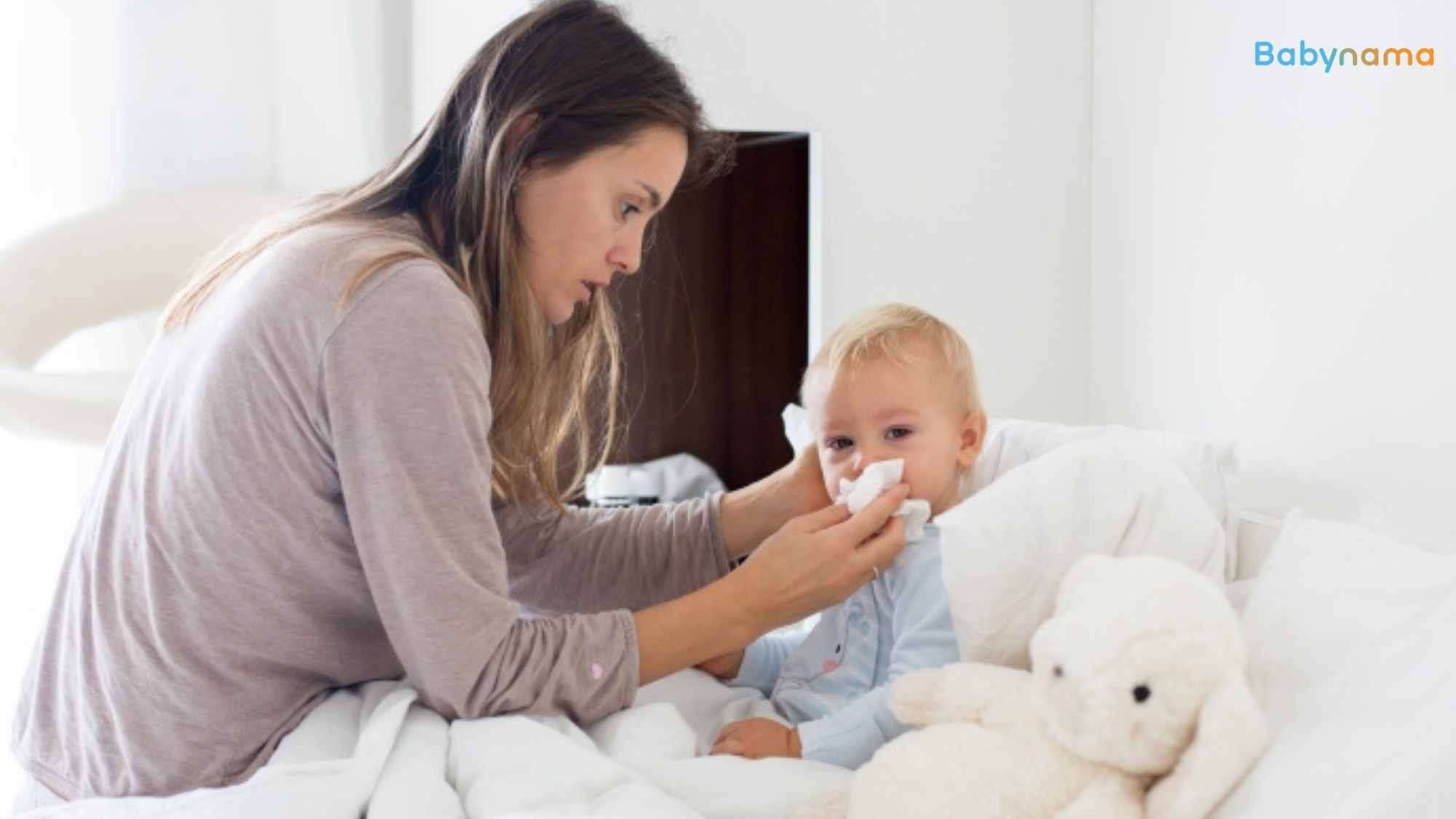
Most Head Bumps Are Minor
Babies and toddlers fall and bump their heads often - it comes with learning to roll, crawl, walk, and climb. The scalp has a rich blood supply, so it bleeds and swells very easily. This is why even a small knock can produce an alarming-looking lump.
A soft swelling on the scalp is common and is not the same as a serious head or brain injury. If your child cries briefly, settles with comforting, and then goes back to behaving normally - alert, recognising you, playing, feeding as usual - the injury is almost always minor. The lump may take a few days to a couple of weeks to fully go down, and that is normal.
What to Do After a Minor Bump
For a knock that looks minor and your child is otherwise fine:
- Comfort your child. A calm parent helps a frightened child settle faster.
- Apply a cold compress. Wrap ice or a cold pack in a cloth (never put ice directly on the skin) and hold it gently on the bump for a few minutes at a time to ease swelling.
- Let them rest. Quiet play, a cuddle, and a calm environment for the rest of the day.
- It is okay to let them sleep. You do not need to keep your child awake. Just check on them periodically - make sure they are rousable (they stir or wake if you gently rouse them) and breathing normally.
- Offer fluids and light food once they have settled.
- Watch them closely over the next day or two for any of the red flags below.
Red Flags - Seek Emergency Care Now
Some serious head injuries do not show up immediately - signs can appear at the time of injury or in the hours to days afterwards. Call 112/108 or go to the nearest hospital immediately if, at any point, your child has any of the following:
- Loss of consciousness - even for a few seconds - or is hard to wake / will not wake.
- A seizure or fit of any kind.
- Repeated or forceful vomiting (two or more separate episodes after the injury).
- Increasing drowsiness or confusion, not behaving normally, or not recognising familiar people.
- A severe or worsening headache.
- Clear, watery, or bloody fluid leaking from the nose or ears.
- Bleeding that will not stop, or a deep cut on the head.
- Weakness, unsteadiness, slurred speech, or sudden difficulty moving an arm or leg.
- Unequal pupils (one bigger than the other) or vision problems.
- In a baby: a bulging or tense soft spot (fontanelle), a high-pitched cry, or unusual, ongoing irritability.
- A fall from a significant height (such as from a bed, changing table, terrace, or stairs) or any high-impact injury.
- Any baby under about 1 year with a notable head injury should be checked, even if they seem fine.
- Inconsolable crying that simply will not settle.
When in doubt, do not wait - get your child seen.
Watch for 24-48 Hours
Even after a minor-looking bump, keep a close eye on your child for the next 24 to 48 hours, including overnight. Symptoms can develop later, not just at the moment of the fall.
Check that your child is alert when awake, rousable from sleep, eating and drinking normally, walking and moving as usual, and behaving like their normal self. If anything new appears - a fresh bout of vomiting, growing sleepiness, confusion, a worsening headache, or any of the red flags above - return for care straight away.
When to See a Doctor
You do not need to wait for a dramatic symptom to seek help. See a paediatrician if:
- You are simply worried, even if you cannot say exactly why - a parent’s instinct matters.
- Your child has milder symptoms that linger, such as a headache, dizziness, irritability, poor sleep or feeding, or just “not seeming themselves” over the following days.
- There is a cut that may need closing, or a swelling that keeps getting bigger.
It is always reasonable to get a head injury reviewed. A quick check now is far better than a missed warning sign.
The Indian Context
In Indian homes, the most common head-injury culprits are familiar: falls from a bed or sofa, tumbles from a baby walker, slips on stairs, and - more seriously - falls from open terraces, balconies, and unguarded windows. A few simple steps go a long way: never leave a baby unattended on a high surface, use guard rails and stair gates, avoid baby walkers, secure balcony and terrace access, and keep heavy or climbable furniture stable.
One important caution: if a red-flag symptom appears, do not delay emergency care to try home remedies, oil massages, or tying anything around the head. These can waste precious time. Comfort your child, and if there is any warning sign, get to a hospital quickly. Time matters, because serious head injuries can occasionally worsen over hours.
Frequently Asked Questions
Q: Can my child sleep after hitting their head?
A: Yes. You do not need to keep your child awake after a minor bump - rest and sleep are fine and even helpful. The key is to check on them: make sure they are rousable (they stir or wake when you gently rouse them) and breathing normally. If you cannot wake them, or they show any red-flag symptom, seek emergency care immediately.
Q: My child has a big swelling but seems completely fine. Should I worry?
A: A soft, “goose egg” swelling on the scalp is common because the scalp swells easily, and on its own it is usually not serious if your child is alert, comforted, and behaving normally. Apply a cloth-wrapped cold compress and watch them for 24-48 hours. Seek care if the swelling keeps growing or any warning sign appears.
Q: How long should I watch my child after a head bump?
A: Keep a close eye for 24 to 48 hours, including overnight, as some symptoms can develop later. Return for care if you notice repeated vomiting, increasing drowsiness or confusion, a worsening headache, fluid from the nose or ears, or any other red flag.
Q: When is a head injury an emergency?
A: Treat it as an emergency - call 112/108 or go to a hospital - if there is loss of consciousness, a seizure, repeated vomiting, increasing drowsiness or confusion, a severe headache, fluid from the nose or ears, weakness or slurred speech, unequal pupils, or, in a baby, a bulging soft spot or high-pitched cry. Any notable head injury in a baby under 1 also needs a check.
Q: Should I give my child medicine for the pain?
A: Do not give any medication on your own after a head injury unless your doctor advises it, as it can mask important symptoms that doctors need to see. The safest approach is to comfort your child, watch closely, and get them reviewed if you are worried.
Worried about a bump on your little one’s head and want quick, trusted guidance? Connect with other parents and our paediatric team - join here.
This article is for general information and is not a substitute for personalised medical advice. Always consult your paediatrician, and seek emergency care for any red-flag symptoms.
Have a question about your little one?
Join our free community for live Q&A with MD pediatricians — no cost to join.
Join the free community