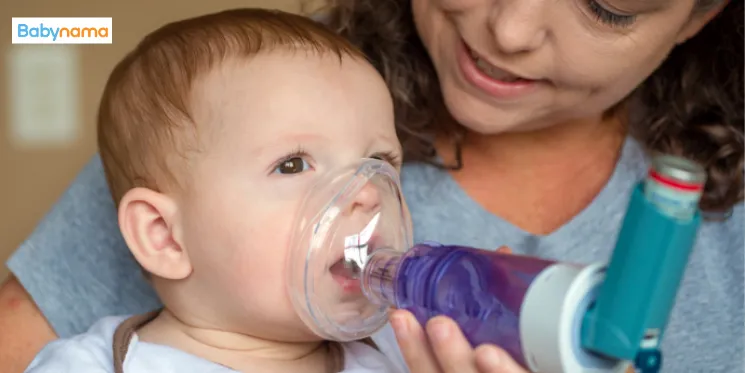
Quick Answer: There are two main types of asthma inhalers - relievers (blue, for quick relief during attacks) and preventers (brown/orange, used daily to prevent symptoms). Children should use inhalers with a spacer device for better medication delivery. Getting the right inhaler AND using it correctly are equally important. Work with your doctor to create an asthma action plan.
Understanding Asthma Inhalers
Inhalers deliver medication directly to the lungs, making them more effective than oral medications with fewer side effects.
The Two Main Categories
| Type | Purpose | When to Use |
|---|---|---|
| Relievers | Quick relief of symptoms | During attacks, before exercise |
| Preventers | Prevent symptoms from occurring | Daily, even when feeling well |
Reliever Inhalers (Rescue Inhalers)
What They Do
- Open airways quickly
- Relieve wheezing, coughing, breathlessness
- Work within minutes
- Effect lasts 4-6 hours
Common Types
| Medicine | Brand Names | Typical Color |
|---|---|---|
| Salbutamol | Ventolin, Asthalin | Blue |
| Levosalbutamol | Levolin | Blue/green |
| Terbutaline | Bricanyl | White/blue |
When to Use Relievers
- During an asthma attack
- When experiencing symptoms (wheezing, coughing, tight chest)
- 15-20 minutes before exercise (if exercise triggers symptoms)
- As directed by doctor
Warning Sign: If your child needs their reliever more than 3 times a week (excluding pre-exercise use), their asthma may not be well controlled. Talk to your doctor.
Preventer Inhalers (Controller Inhalers)
What They Do
- Reduce inflammation in airways
- Prevent symptoms from occurring
- Take 2-4 weeks to show full effect
- Must be used daily, even when feeling well
Common Types
| Medicine | Brand Names | Typical Color |
|---|---|---|
| Beclomethasone | Beclate | Brown |
| Budesonide | Budecort, Pulmicort | Brown/orange |
| Fluticasone | Flixotide, Flovent | Orange |
| Ciclesonide | Alvesco | Varies |
Important Points About Preventers
- They don’t provide immediate relief
- Must be taken every day
- Rinse mouth after use (prevents oral thrush)
- Don’t stop suddenly without doctor’s advice
- May take weeks to see full benefit
Combination Inhalers
Some inhalers contain both preventer and long-acting reliever:
| Medicine | Contents |
|---|---|
| Seretide/Seroflo | Fluticasone + Salmeterol |
| Symbicort | Budesonide + Formoterol |
| Foster | Beclomethasone + Formoterol |
Used for moderate-to-severe asthma when single medications aren’t enough.
Delivery Devices
Metered Dose Inhaler (MDI)
The most common type - a pressurized canister that releases a measured dose.
For children: Always use with a spacer device!
Dry Powder Inhaler (DPI)
Delivers medication as a fine powder that the child breathes in.
Best for: Older children (usually 6+) who can breathe in strongly
Nebulizer
Turns liquid medication into a fine mist.
Best for:
- Infants and very young children
- Severe asthma attacks
- Children who can’t use inhalers effectively
The Spacer: Essential for Children
A spacer is a holding chamber that attaches to the MDI inhaler.
Why Spacers Are Important
| Without Spacer | With Spacer |
|---|---|
| Requires perfect timing | No timing needed |
| Medication hits throat | More reaches lungs |
| More side effects | Fewer side effects |
| Difficult for children | Easy for all ages |
Spacer Sizes
| Age | Spacer Type |
|---|---|
| 0-3 years | Spacer with face mask |
| 3-6 years | Spacer with mouthpiece or mask |
| 6+ years | Spacer with mouthpiece |
How to Use an Inhaler (With Spacer)
Step-by-Step Guide
- Shake the inhaler well
- Remove caps from inhaler and spacer
- Attach inhaler to spacer
- Breathe out gently
- Place mouthpiece in mouth (or mask over nose and mouth)
- Press inhaler once
- Breathe in slowly and deeply
- Hold breath for 10 seconds (or 5-6 breaths with mask)
- Wait 30-60 seconds before second puff if needed
- Rinse mouth if using preventer inhaler
Common Mistakes to Avoid
- Not shaking inhaler before use
- Pressing inhaler before breathing in (without spacer)
- Breathing in too fast
- Not holding breath after inhaling
- Not rinsing mouth after preventer
- Running out of medication
Tips for Children Using Inhalers
Younger Children (0-5 years)
| Challenge | Solution |
|---|---|
| Scared of mask | Let them play with it, decorate it |
| Won’t stay still | Use while sleeping or watching TV |
| Cries during use | Crying = deeper breaths (it works!) |
| Refuses | Make it part of routine, use rewards |
Older Children (6+ years)
- Explain why they need it
- Let them take ownership of their asthma
- Teach proper technique
- Create routine (brush teeth → inhaler)
- Involve them in asthma action plan
Creating an Asthma Action Plan
Work with your doctor to create a written plan that includes:
Green Zone (All Clear)
- No symptoms
- Peak flow 80-100% of best
- Action: Continue preventer, normal activities
Yellow Zone (Caution)
- Coughing, wheezing, tight chest
- Peak flow 50-80% of best
- Action: Use reliever, may increase preventer
Red Zone (Emergency)
- Severe symptoms
- Peak flow below 50%
- Reliever not helping
- Action: Use reliever immediately and 🚨 call 112 (national emergency) or 108 (ambulance) or go to the nearest hospital without delay
When to See a Doctor
Routine Visits
- Every 3-6 months for asthma review
- When starting new medication
- To update asthma action plan
Urgent Care Needed If:
- Reliever not working
- Symptoms getting worse
- Using reliever more than 3 times/week
- Waking at night with symptoms
- Missing school due to asthma
Emergency Signs — 🚨 Call 112 or 108 / Nearest Hospital Now
If your child shows any of these, give the reliever immediately and 🚨 call 112 (national emergency) or 108 (ambulance), or rush to the nearest hospital:
- Severe breathing difficulty
- Blue lips or fingernails
- Can’t speak in full sentences
- Ribs visible with each breath
- Reliever providing no relief
Frequently Asked Questions
Q: Will my child become dependent on inhalers?
A: No! Inhalers treat asthma - they don’t cause dependency. Not using prescribed inhalers can lead to poorly controlled asthma and lung damage.
Q: Are steroid inhalers safe for children?
A: Inhaled steroids have a long track record of safe use in children when prescribed and monitored by a doctor. They deliver very small doses directly to the lungs, so body-wide effects are minimal. For most children, the risks of uncontrolled asthma far outweigh the risks of the inhaler. Always use the lowest effective dose as directed by your pediatrician.
Q: How do I know if the inhaler is empty?
A: Many inhalers have dose counters. Without one, track how many doses used vs. how many in the canister. Never test by spraying in air (wastes medication).
Q: Can my child outgrow asthma?
A: Many children see improvement as they grow. Some “outgrow” symptoms, though airways may remain sensitive. Continue treatment as prescribed and discuss with doctor.
Q: Should my child carry their inhaler at school?
A: Yes! Ensure school has a written asthma plan and knows how to help. Older children should carry their own reliever. Keep backup inhalers at school and home.
Key Takeaways
- Two types: Relievers (blue, quick relief) and preventers (daily use)
- Spacers are essential for children using MDI inhalers
- Technique matters - proper use ensures medication reaches lungs
- Preventers daily even when child feels well
- Have an action plan that everyone knows
- Don’t skip doses - uncontrolled asthma is dangerous
This article was reviewed by Babynama Pediatricians. Last updated: January 2026
This article is for general information for parents in India and is not a substitute for professional medical advice. Inhaler type, dose, and brand should always be decided by your child’s treating pediatrician. In a breathing emergency, call 112 (national emergency) or 108 (ambulance) or go to the nearest hospital immediately.
Need personalized guidance? Book a consultation with our pediatricians or explore our Care Plans for 24/7 expert support!
Have a question about your little one?
Join our free community for live Q&A with MD pediatricians — no cost to join.
Join the free community