Quick Answer
No, there is no evidence that breastfeeding becomes harmful with age. The WHO recommends breastfeeding for 2 years and beyond, and many Indian mothers traditionally continued until 2-3 years. If you’re nursing a toddler and wondering if you should stop, the answer is: only when you and your child are both ready.
Understanding Extended Breastfeeding (Lambi Stanpan)
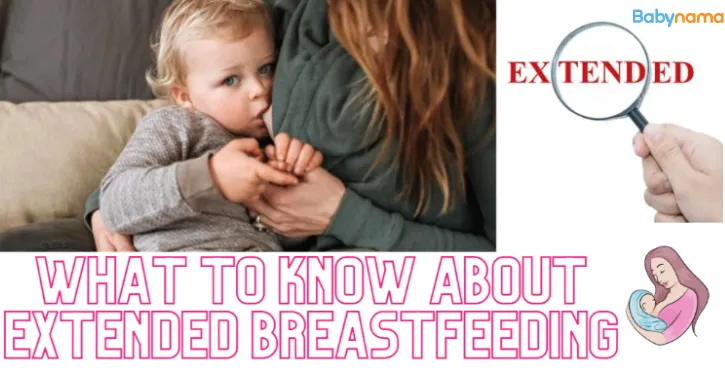
Extended breastfeeding refers to nursing your child beyond the first year of life. In many Western countries, this seems unusual, but in India and across Asia, Africa, and traditional societies worldwide, breastfeeding toddlers was the norm for generations.
What health organizations say:
- WHO: “Continue breastfeeding for up to 2 years of age or beyond”
- IAP (Indian Academy of Pediatrics): Supports breastfeeding until 2 years with complementary foods
- UNICEF / The Lancet (2016): Improving breastfeeding worldwide could prevent over 820,000 child deaths every year
For first-time moms: If you’ve made it past 6 months of breastfeeding, you’ve already done something incredible. Continuing beyond a year is a bonus for your baby’s health - not something to feel guilty about.
The Real Benefits of Breastfeeding Beyond 1 Year
Nutrition That Adapts
Your breast milk doesn’t suddenly lose value after your baby turns one. In the second year, breast milk continues to be a meaningful source of energy, protein, vitamin A, vitamin B12, calcium and other nutrients, alongside a balanced diet of family foods.
This is especially important in India where many toddlers are picky eaters or don’t get balanced nutrition from food alone. Breast milk supplements their diet but is not a substitute for a varied, age-appropriate diet.
Immunity Protection Continues
The antibodies in your milk don’t expire. Extended breastfeeding helps protect your toddler from:
- Respiratory infections (very common in Indian winters)
- Diarrheal diseases
- Ear infections
- Allergies
Practical benefit: When your toddler catches a cold or stomach bug, they often refuse food but will nurse. This keeps them hydrated and provides immune support when they need it most.
Emotional Security and Bonding
Toddlers face many new challenges - new siblings, starting playschool, separation anxiety, teething molars. Breastfeeding provides:
- Instant comfort during meltdowns
- Reconnection after time apart
- Security during stressful situations
- Pain relief during teething
Health Benefits for Mothers
Longer breastfeeding is associated with a lower risk of:
- Breast cancer (research suggests roughly a 6% lower risk for each year a mother breastfeeds)
- Ovarian cancer
- Type 2 diabetes
- Heart disease
- Osteoporosis
Addressing Common Concerns
“My child will never stop on their own”
Reality: All children eventually wean. The worldwide average natural weaning age is between 2.5 to 7 years. Children who are allowed to wean naturally often do so more peacefully than those who are forced to stop.
“Extended breastfeeding causes tooth decay”
Reality: Breast milk itself doesn’t cause cavities - it actually contains antibodies that fight cavity-causing bacteria. Tooth decay is related to:
- Poor dental hygiene
- Sugary foods and drinks
- Night feeding without cleaning teeth afterward
Solution: Brush your toddler’s teeth twice daily, especially after the last feed before sleep.
“My relatives say ‘baccha bada ho gaya, ab doodh chhudao’”
Reality: This pressure is common but not based on medical evidence. Remember:
- Our grandmothers breastfed for 2-3 years routinely
- Modern recommendations support extended breastfeeding
- You can choose to nurse in private if it reduces conflict
- Your baby’s health is more important than others’ opinions
“It will make my child dependent and clingy”
Reality: Studies show the opposite. Children whose emotional needs are met through extended breastfeeding often become more confident and independent. They wean when they’re developmentally ready.
“There’s no nutrition in milk after 1 year”
Reality: This is not true. Breast milk composition changes to meet your growing child’s needs, but it never becomes “just water.” Even small amounts provide valuable nutrition and immunity.
When to Consider Weaning
While there’s no medical reason to stop at any particular age, you might consider gradual weaning if:
- You feel ready: Your feelings matter too. Breastfeeding works best when both parties want it
- You’re pregnant: Some mothers experience discomfort; discuss with your doctor
- Medication needs: Some medications aren’t safe during breastfeeding
- Work demands: Though many working mothers continue with 1-2 feeds daily
- Your child seems ready: Naturally losing interest, easily distracted during feeds
Tips for Indian Mothers Practicing Extended Breastfeeding
Managing Family Opinions
- Share WHO/IAP guidelines with curious relatives
- “Our pediatrician supports this” often ends debates
- Find supportive friends or online communities
- Remember: you don’t owe explanations to everyone
Balancing Nursing with Solid Foods
- Offer meals and snacks before nursing sessions
- Keep breastfeeding separate from mealtimes
- Don’t use breast milk as a reward for eating
- Trust that your child will naturally shift to more solids over time
Nursing in Public with a Toddler
- Many mothers become more private as children grow
- Having a code word (“mama milk,” “doodh”) helps
- Quick sessions are normal for toddlers
- Nursing covers work for older babies too
Night Weaning While Continuing Day Feeds
- Many mothers successfully night wean after 1 year while continuing daytime feeds
- This can improve sleep for everyone
- Doesn’t mean you have to stop completely
Expert Insight: Every drop of breast milk counts. Even partial breastfeeding provides meaningful benefits for your child.
FAQs
Q: Is it normal that my 18-month-old wants to breastfeed every 2 hours?
A: At 18 months, frequent nursing often indicates comfort-seeking rather than hunger. This is normal during developmental leaps, teething, or illness. You can gently start setting some limits (“not now, after we finish playing”) while still meeting their needs.
Q: Will breastfeeding affect my toddler’s speech development?
A: No. There’s no evidence that breastfeeding delays speech. In fact, the sucking motion from breastfeeding may help develop oral muscles used for speech.
Q: I’m pregnant - should I wean my toddler?
A: Not necessarily. Many mothers continue nursing during pregnancy (tandem nursing). However, if you have a history of preterm labor, miscarriage, or your doctor advises otherwise, follow their guidance. Some mothers wean due to nipple sensitivity.
Q: How do I wean gently when I’m ready to stop?
A: Gradual is best. Try:
- “Don’t offer, don’t refuse” approach
- Substituting comfort with cuddles, stories, or snacks
- Dropping one feed at a time, starting with the least important one
- Distraction during usual nursing times
- Having dad handle bedtime routine
Q: My toddler only nurses to sleep. Is this a problem?
A: Many toddlers use nursing to sleep - it’s nature’s perfect sleep aid. If it’s working for your family, it’s not a problem. If you want to change this, you can gradually introduce other sleep associations (patting, singing, lying beside them).
Q: What do I say when people ask “aren’t they too old for that?”
A: Some responses:
- “WHO recommends breastfeeding until 2 years and beyond”
- “Our pediatrician supports our decision”
- “We’ll stop when we’re both ready”
- Simply smile and change the subject
This article was reviewed by the Babynama Medical Team. Last updated: June 2026.
General information for Indian parents, not a substitute for your pediatrician. In an emergency, call 112 or 108.
Need personalized guidance? Book a consultation with our pediatricians or explore our Care Plans for 24/7 expert support!
Related Tools
Need Expert Breastfeeding Support?
Get personalized guidance from certified lactation consultants.
Explore Breastfeeding Program