Quick Answer
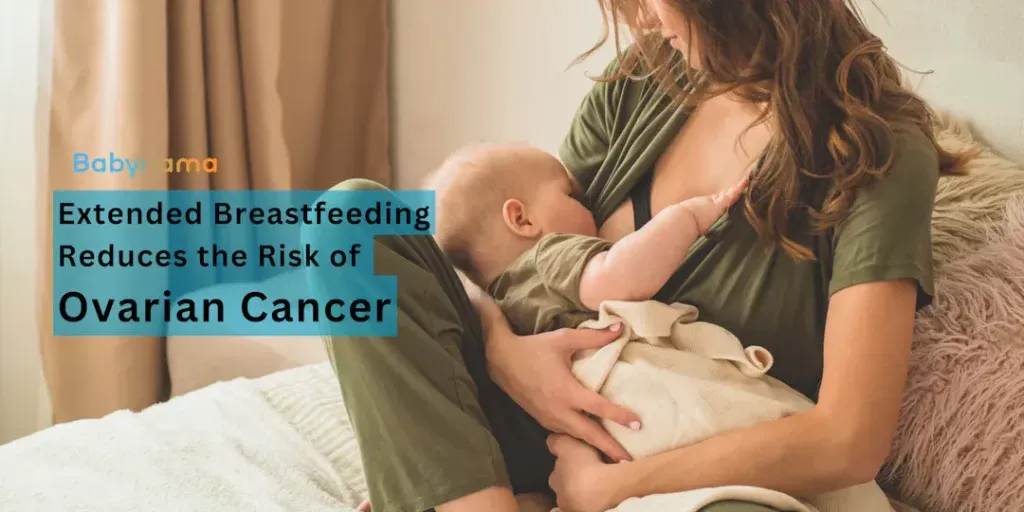
Yes, extended breastfeeding significantly reduces your risk of ovarian cancer. Research shows that women who breastfeed for more than 13 months have 63% lower risk of ovarian cancer compared to those who breastfeed for less than 7 months. For mothers who breastfed multiple children for over 31 months total, the risk reduction can be as high as 91%. This is one of the most powerful health benefits of continuing breastfeeding (lambi stanpan).
The Research Behind This Finding
A landmark study published in the American Journal of Clinical Nutrition, conducted by researchers at Curtin University in Australia, examined 493 women diagnosed with ovarian cancer. The findings were remarkable:
| Breastfeeding Duration | Risk Reduction |
|---|---|
| Less than 7 months | Baseline |
| More than 13 months | 63% reduction |
| More than 31 months (multiple children) | 91% reduction |
This means that the longer you breastfeed, the more you protect yourself against ovarian cancer.
Reassurance for nursing moms: Every day you breastfeed is an investment in your own health. Whether you’re at 6 months or 26 months, you’re doing something wonderful for both yourself and your baby.
How Does Breastfeeding Protect Against Ovarian Cancer?
The protective effect works through several mechanisms:
1. Delayed Ovulation
When you breastfeed, especially exclusively, your body naturally suppresses ovulation (andaanu nahi banta). Each ovulation cycle causes the surface of your ovaries to break and repair, which increases the chance of cellular mutations that can lead to cancer.
Less ovulation = Less cellular damage = Lower cancer risk
2. Reduced Inflammation
Breastfeeding lowers levels of inflammation in the body. Chronic inflammation is linked to cancer development, so reducing it offers protection.
3. Hormonal Changes
Breastfeeding alters hormone levels in ways that are protective:
- Lower estrogen exposure
- Different progesterone patterns
- Reduced levels of cancer-promoting hormones
4. Cellular Cleansing
The breast tissue undergoes changes during lactation that may help eliminate potentially precancerous cells.
Other Cancers Breastfeeding Protects Against
Ovarian cancer isn’t the only one. Extended breastfeeding also reduces risk of:
Breast Cancer
- 4.3% risk reduction for every 12 months of breastfeeding
- Protection increases with duration
- Particularly protective against aggressive types
Endometrial Cancer
- Studies show up to 11% risk reduction
- Related to the same ovulation-suppression mechanism
Uterine Cancer
- Breastfeeding mothers have lower rates
- Protection linked to hormonal changes during lactation
Why This Matters for Indian Women
Ovarian cancer rates are rising in India, particularly in urban areas. According to ICMR data:
-
Ovarian cancer accounts for about 3% of all female cancers in India
-
Incidence is increasing, especially in metropolitan cities
-
Early detection is difficult, making prevention crucial Traditional Indian practices supported this protection:
-
Our grandmothers routinely breastfed for 2-3 years
-
Extended breastfeeding was culturally normal
-
This may have contributed to lower cancer rates historically
Making Breastfeeding Work for Longer
To gain these protective benefits, here are practical tips for Indian mothers:
For Working Mothers
- Pump at work: Express milk during office hours to maintain supply
- Morning and night feeds: Continue direct breastfeeding before and after work
- Weekend nursing: Nurse on demand during days off
- Supportive workplace: Know your rights under the Maternity Benefit Act
For Stay-at-Home Mothers
- Follow baby’s lead: Don’t rush weaning due to external pressure
- Manage family expectations: Share health benefits with relatives who question extended nursing
- Night feeds count: Even just night feeds provide protection
For All Mothers
- Don’t compare: Every breastfeeding journey is different
- Some is better than none: Even a few months of breastfeeding provide some protection
- Second and third children: Cumulative breastfeeding across all children adds up
The Cumulative Effect
The cancer protection from breastfeeding is cumulative:
| Scenario | Approximate Total Protection |
|---|---|
| 1 child, 6 months breastfeeding | Modest protection |
| 1 child, 2 years breastfeeding | Good protection |
| 2 children, 2 years each (4 years total) | Very good protection |
| 3 children, 2 years each (6 years total) | Excellent protection |
This is encouraging news for mothers of multiple children who breastfeed each one.
Other Health Benefits for Mothers
Beyond cancer protection, extended breastfeeding helps mothers in many ways:
Cardiovascular Health
-
Lower risk of heart disease
-
Reduced blood pressure
-
Better cholesterol levels Metabolic Health
-
Reduced risk of type 2 diabetes
-
Faster return to pre-pregnancy weight
-
Better insulin sensitivity Bone Health
-
Despite calcium transfer to baby, long-term bone density is actually better
-
Lower risk of osteoporosis later in life Mental Health
-
Lower rates of postpartum depression
-
Reduced anxiety through oxytocin release
-
Stronger bond with baby
What If You Couldn’t Breastfeed Long?
If you breastfed for a shorter duration or couldn’t breastfeed at all, don’t worry:
- Any amount of breastfeeding provides some benefit
- Other lifestyle factors also reduce cancer risk
- Regular health screenings are important for all women
- A healthy diet and exercise also provide protection
Remember: This information is meant to encourage those who can continue breastfeeding, not to create guilt for those who couldn’t.
Expert Insight: Every drop of breast milk counts. Even partial breastfeeding provides significant maternal health benefits.
FAQs
Q: I only breastfed for 3 months. Did I get any cancer protection?
A: Yes! Even short-term breastfeeding provides some protection. Every week and month of breastfeeding adds benefit. The research shows higher protection with longer duration, but that doesn’t mean short-term nursing has no value.
Q: I’m breastfeeding my second child. Does the duration add up?
A: Yes, absolutely! The protective effect is cumulative across all your children. If you breastfed your first child for 18 months and your second for 18 months, that’s 36 months of total protection - which puts you in a very good range.
Q: Does pumping and giving expressed milk count?
A: Yes! The protective mechanisms work through the hormonal changes that happen when milk is removed from your breasts, whether through direct nursing or pumping. So working mothers who pump are also gaining this protection.
Q: At what age should I stop breastfeeding to maximize these benefits?
A: There’s no upper limit where breastfeeding stops being beneficial. WHO recommends at least 2 years. Beyond that, continue as long as you and your child both want to. The protection continues as long as you breastfeed.
Q: My mother had ovarian cancer. Should I breastfeed longer?
A: If you have a family history of ovarian or breast cancer, extended breastfeeding is especially beneficial for you. The protective effect is valuable for all women but particularly important for those with genetic risk factors. Discuss with your doctor about your personal risk.
Q: I couldn’t produce enough milk and had to supplement with formula. Do I still get protection?
A: Yes! Mixed feeding (combination of breast milk and formula) still provides protection. What matters is that your body is producing and releasing breast milk - even if it’s supplemented. Partial breastfeeding is always better than no breastfeeding for maternal health benefits.
This article was reviewed by the Babynama Medical Team. Last updated: January 2025
General information for Indian parents, not a substitute for your pediatrician. In an emergency, call 112 or 108.
Need personalized guidance? Book a consultation with our pediatricians or explore our Care Plans for 24/7 expert support!
Related Tools
Need Expert Breastfeeding Support?
Get personalized guidance from certified lactation consultants.
Explore Breastfeeding Program