Quick Answer
Yes, extended breastfeeding (stanpan) beyond 1-2 years is widely supported as beneficial for both mother and baby. The WHO recommends breastfeeding for “2 years and beyond,” and there is no medical evidence that breastfeeding becomes harmful after any specific age. The decision of when to wean should be made by you and your baby together - not by societal pressure or well-meaning relatives.
What is Extended Breastfeeding?
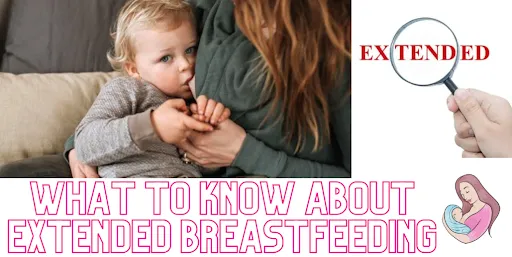
Extended breastfeeding means continuing to breastfeed your child beyond 12 months (1 year) or in some definitions, beyond 2 years. In India, this practice has deep cultural roots - our grandmothers often breastfed until 2-3 years naturally.
Globally recommended breastfeeding timeline:
| Organization | Recommendation |
|---|---|
| WHO (World Health Organization) | Exclusive BF for 6 months, continue until 2 years and beyond |
| IAP (Indian Academy of Pediatrics) | Exclusive BF for 6 months, continue until 2 years with complementary foods |
| AAP (American Academy of Pediatrics) | At least 1 year, continue as long as mutually desired |
Reassurance: If you’re still breastfeeding your toddler and feeling judged, know that you’re following WHO guidelines and doing something wonderful for your child’s health.
Benefits of Extended Breastfeeding
For Your Child
Continued Nutrition
Even after 1 year, breast milk (maa ka doodh) provides:
- 29% of daily energy needs
- 43% of protein requirements
- 36% of calcium needs
- 75% of vitamin A requirements
- 94% of vitamin B12 needs
Stronger Immunity
The antibodies in breast milk don’t decrease with time. Your toddler gets:
- Protection during illness (many toddlers nurse more when sick)
- Fewer ear infections, respiratory illnesses, and diarrhea
- Better vaccine response
Emotional Security
Breastfeeding provides:
- Comfort during teething pain
- Security during new experiences (starting daycare, new sibling)
- Easy way to calm tantrums and meltdowns
- Strong mother-child bond (maa aur bachche ka rishta)
Better Brain Development
Studies show extended breastfeeding is linked to:
- Higher IQ scores
- Better cognitive development
- Improved social-emotional development
For the Mother
Health Benefits
- Reduced risk of breast cancer (up to 4.3% reduction per year of breastfeeding)
- Lower risk of ovarian cancer
- Reduced risk of type 2 diabetes
- Faster return to pre-pregnancy weight
Practical Benefits
- Free and always available nutrition
- Easy way to comfort toddler
- Natural child spacing (though not a reliable contraceptive)
- Strong emotional bond with child
Common Concerns About Extended Breastfeeding
“Will my child become too dependent?”
Reality: Research shows the opposite. Children who breastfeed longer often become more independent and confident because their emotional needs are met. They naturally wean when ready.
“My child won’t eat solid food properly”
Reality: Extended breastfeeding and solid food intake can happily coexist. The key is to offer solids first, then breast milk. If your toddler prefers breast milk over food, try:
- Reducing daytime feeds gradually
- Offering favorite nutritious foods
- Making mealtimes fun and pressure-free
“Society/relatives are judging me”
Reality: This is unfortunately common in India. Remember:
- You’re following WHO recommendations
- Your child’s health matters more than others’ opinions
- Many mothers breastfeed privately to avoid comments
- You don’t owe anyone an explanation
“Is it causing tooth decay?”
Reality: Breast milk itself doesn’t cause cavities. Tooth decay is more related to:
- Night feeding after teeth appear (breast or bottle)
- Poor dental hygiene
- Other sugary foods in diet
Prevention: Clean your toddler’s teeth twice daily, especially after the last feed at night.
“My breast milk has no nutrition now”
Reality: This is a myth. Breast milk composition changes to meet your growing child’s needs. Even “older” breast milk contains valuable antibodies, fats, and nutrients.
When Extended Breastfeeding May Need Discussion
While extended breastfeeding is generally beneficial, consult your pediatrician if:
- Your toddler refuses all solid foods and only wants breast milk
- You’re experiencing severe nipple pain or infections
- Your child is not gaining weight appropriately
- You’re pregnant and having complications
- You’re taking medications that may affect breast milk
How to Handle the “When Will You Stop?” Question
Helpful responses:
- “We’re following WHO guidelines of 2 years and beyond”
- “My pediatrician supports our breastfeeding journey”
- “We’ll stop when we’re both ready”
- Simply smile and change the subject
Natural Weaning vs. Mother-Led Weaning
Natural/Child-Led Weaning: Baby gradually loses interest and weans on their own. This typically happens between 2-4 years.
Mother-Led Weaning: You decide to stop and gradually reduce feeds. This is also a valid choice if:
- You’re pregnant and uncomfortable
- You need to take certain medications
- You’re returning to work
- You simply feel ready to stop
Important: There’s no wrong choice. Both approaches are healthy when done gradually and with love.
Tips for Extended Breastfeeding in India
- Find your tribe: Join breastfeeding support groups (online or local)
- Educate family gently: Share WHO/IAP guidelines with skeptical relatives
- Set boundaries: You can choose to breastfeed in private if public nursing feels uncomfortable
- Night weaning first: Many mothers continue day feeds but stop night feeds after 1 year
- Don’t compare: Every mother-child pair is different
Expert Insight: Every drop of breast milk counts. Even partial breastfeeding provides meaningful benefits for your child.
FAQs
Q: Is it normal that my 2-year-old still wants to breastfeed?
A: Absolutely normal! The global average weaning age is 2-4 years. In many Indian communities, breastfeeding until 2-3 years was standard practice. Your toddler is getting wonderful nutrition and emotional security.
Q: Will extended breastfeeding make weaning harder?
A: Not necessarily. Children who are allowed to breastfeed until they’re ready often wean more peacefully. Forced early weaning can sometimes cause more resistance and emotional difficulties.
Q: My milk supply has decreased. Should I stop?
A: Decreased supply is normal after 1 year as your child eats more solids. Even small amounts of breast milk provide immunity benefits. You can continue as long as you both enjoy it, regardless of quantity.
Q: Can I breastfeed while pregnant?
A: Usually yes, but discuss with your doctor. Some mothers experience nipple sensitivity or mild contractions. If you have a history of preterm labor, your doctor may advise caution.
Q: How do I handle relatives who say “doodh mein ab kuch nahi hai” (there’s nothing in the milk now)?
A: This is a common misconception. You can share that WHO recommends breastfeeding for 2 years and beyond precisely because breast milk continues to provide nutrition and immunity. Sometimes, simply saying “our pediatrician supports this” ends the discussion.
Q: My toddler only breastfeeds at night. Is this still beneficial?
A: Yes! Even 1-2 feeds provide antibodies and comfort. Many working mothers maintain only morning and night feeds successfully. The benefits continue regardless of frequency.
This article was reviewed by the Babynama Medical Team. Last updated: January 2025
General information for Indian parents, not a substitute for your pediatrician. In an emergency, call 112 or 108.
Need personalized guidance? Book a consultation with our pediatricians or explore our Care Plans for 24/7 expert support!
Related Tools
Need Expert Breastfeeding Support?
Get personalized guidance from certified lactation consultants.
Explore Breastfeeding Program