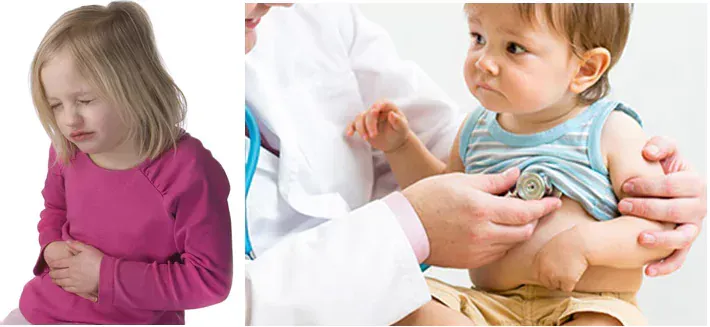
If you have a newborn at home, you have probably heard it already: “Don’t eat rajma, it will give the baby gas.” “Skip the gobhi and chana while you are feeding.” For generations, Indian mothers have been told to give up half their plate to keep the baby comfortable. The good news is that this advice is mostly a myth. Let us look at what really happens.
Quick Answer
The belief that gas-producing foods in your diet make your breastfed baby gassy is, for the most part, a myth. The gas that foods like rajma or cauliflower create sits in your digestive tract from fibre. That gas itself does not pass into your blood or into your breast milk, so it cannot bloat your baby’s tummy. (Some food proteins can pass into milk, which is a separate and less common issue covered below, but the gas does not.) Most babies are gassy now and then no matter what you eat. You do not need to restrict your diet, and doing so can leave you short on nutrition at a time when you need it most.
Why Gassy Foods Don’t Usually Affect Baby
When you eat fibre-rich foods like rajma, chana, chole, gobhi, cabbage or onion, the bacteria in your large intestine break down that fibre and produce gas. That gas stays inside your own gut and leaves your body the usual way. It is not absorbed into your bloodstream, and your breast milk is made from your blood, not directly from the food in your stomach.
Because the gas itself never enters your milk, there is no pathway for it to reach your baby and bloat their little tummy. This is why most babies feed perfectly happily even when mum has enjoyed a full plate of rajma chawal. The nutrients in your food pass into your milk; the gas does not.
Why Babies Are Gassy Anyway
Here is the part that surprises many parents: babies are simply gassy creatures, and most of the time it has nothing to do with your food. A newborn’s digestive system is still immature and learning to work. On top of that, babies swallow air constantly, while feeding, while crying, and while fussing. That swallowed air is the most common reason for a gassy, squirmy baby.
A bit of grunting, passing wind, pulling up the legs and the occasional fussy spell are all a normal part of early development. It can look uncomfortable, but in most cases it is just a baby being a baby, not a reaction to anything on your plate.
What to Do IF You Suspect a Specific Food
Every baby is an individual, and just occasionally a parent does notice a clear, repeating pattern, for example, every single time you eat one particular food, your baby becomes noticeably upset within a day. If that happens, you can run a simple test.
Remove only that one food for about one to two weeks and watch carefully. If the baby settles, reintroduce the food once and see whether the fussiness returns. If it clearly does, you have your answer and can leave that one item out for a while. If nothing changes, the food was never the cause, so put it back.
The key word is one food. Do not pre-emptively cut out whole groups, all dals, all vegetables, all dairy, on a hunch. Blanket restrictions almost never help the baby and almost always harm your own nutrition.
Cow’s-Milk-Protein Allergy Is Different
There is one genuine medical condition worth knowing about. A true cow’s-milk-protein allergy is different from ordinary gas. It is less common, and it shows other signs along with fussiness, such as blood or mucus in the baby’s stool, persistent vomiting, eczema or skin rashes, or poor weight gain. This is a specific allergy to the protein, not a reaction to gassy vegetables. If you notice these signs together, do not try to manage it yourself, see your doctor, who can guide you on whether to adjust your diet under supervision.
Don’t Over-Restrict, Your Nutrition Matters
A breastfeeding mother needs good food, and plenty of it. Foods like rajma, chana and green vegetables are exactly the kind of protein, iron and fibre your recovering body needs. Cutting them out “just in case” can leave you tired, low on iron and poorly nourished, without doing anything for your baby. Both the World Health Organization (WHO) and the Indian Academy of Pediatrics (IAP) encourage breastfeeding mothers to eat a normal, varied and balanced diet. There is no standard list of foods every mother must avoid.
Indian Context
In Indian homes, the diet advice often comes with love and great confidence from mothers, mothers-in-law and aunts. Rajma, chana, chole and gobhi are usually first on the “avoid” list. It is worth remembering that this advice is passed down by tradition, not by evidence. You can honour the care behind it while gently keeping these nourishing foods on your plate. A well-fed mother is the best gift for a breastfeeding baby.
When to Ask Your Doctor
Speak to your doctor or a lactation consultant if your baby seems to be in real distress rather than just mildly gassy, if you see blood or mucus in the stool, persistent vomiting, a rash or eczema, or poor weight gain, or if you are simply worried and want reassurance. It is always reasonable to ask, and it beats guessing or cutting out food on your own.
Frequently Asked Questions
Q: Does eating rajma make my breastfed baby gassy?
A: Almost certainly not. The gas from rajma forms in your own intestine and is not absorbed into your blood or your milk, so it cannot reach your baby. Enjoy your rajma; it is good protein for you.
Q: Should I avoid cauliflower and cabbage while breastfeeding?
A: No. Gobhi, cabbage and other cruciferous vegetables are nutritious and safe to eat. They may make you a little gassy, but that gas does not pass into your milk.
Q: My baby is always gassy. Is it my diet?
A: Usually not. Most baby gas comes from an immature gut and swallowed air during feeding and crying. It is a normal stage and rarely linked to what mum eats.
Q: Is there any food I genuinely need to avoid while breastfeeding?
A: There is no fixed list. Eat a normal, balanced diet. Only consider removing a specific food if you notice a clear, repeated reaction to that one item, and even then, test it properly before cutting it out.
Q: How is a milk allergy different from ordinary gas?
A: A cow’s-milk-protein allergy is a specific, less common condition that comes with other signs like blood or mucus in stool, vomiting, rashes or poor weight gain, not just wind. If you see these together, see your doctor.
Worried about your baby’s gas or unsure what to eat while breastfeeding? You are not alone, and you do not have to figure it out by yourself. Join the free Babynama WhatsApp community for new mothers to ask questions and get support from doctors and other parents join here.
This article is for general information and is not a substitute for personalised medical advice. Always consult your doctor or lactation consultant about your own situation.
Need Expert Breastfeeding Support?
Get personalized guidance from certified lactation consultants.
Explore Breastfeeding Program