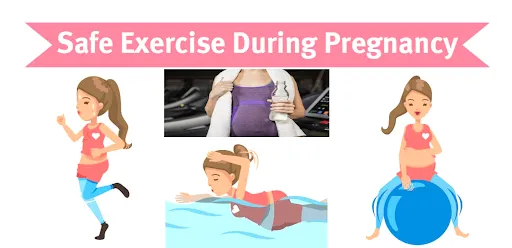
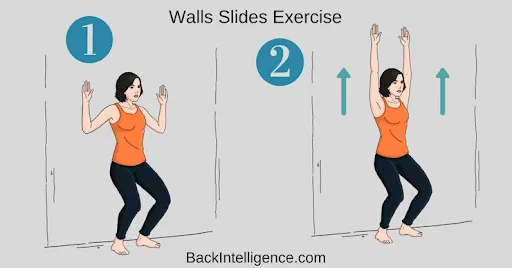
Quick Answer: For most healthy pregnancies, exercise is safe and beneficial during the first trimester. Walking, swimming, prenatal yoga, and light strength training are excellent choices. Aim for 150 minutes of moderate activity per week. Avoid contact sports, hot yoga, and exercises lying flat on your back. Always consult your doctor before starting any exercise program, especially if you have pregnancy complications.
Why Exercise During First Trimester?
Exercise during early pregnancy offers numerous benefits for both you and your baby, despite the fatigue and nausea you may be experiencing.
Benefits of First Trimester Exercise
| Benefit | How It Helps |
|---|---|
| Reduced nausea | Movement can actually ease morning sickness |
| Better sleep | Physical activity improves sleep quality |
| More energy | Regular exercise fights fatigue |
| Mood improvement | Releases endorphins, reduces anxiety |
| Healthy weight gain | Easier to manage throughout pregnancy |
| Easier labor | Builds stamina for delivery |
| Faster recovery | Stronger body bounces back quicker |
Safe Exercises for First Trimester
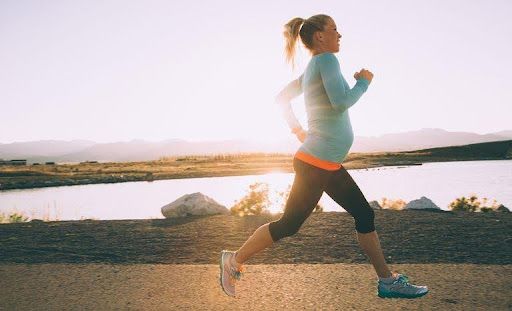
Walking
The simplest and safest exercise for all fitness levels.
| Duration | Intensity | Frequency |
|---|---|---|
| 20-30 minutes | Moderate pace (can talk) | Daily or most days |
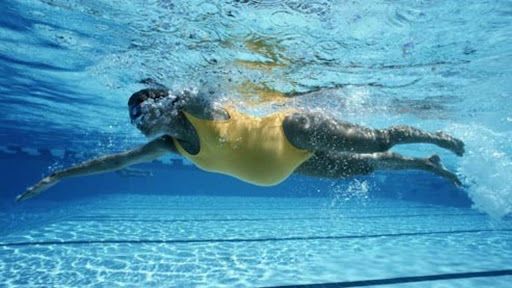
Swimming and Water Aerobics
Excellent low-impact exercise that supports your changing body.
Benefits:
- No joint stress
- Keeps you cool
- Full-body workout
- Reduces swelling
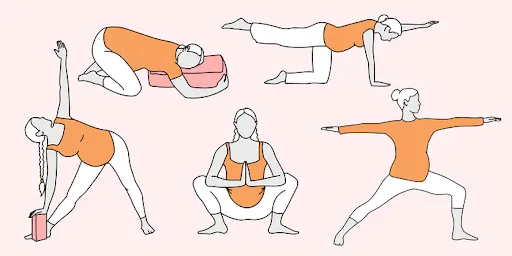
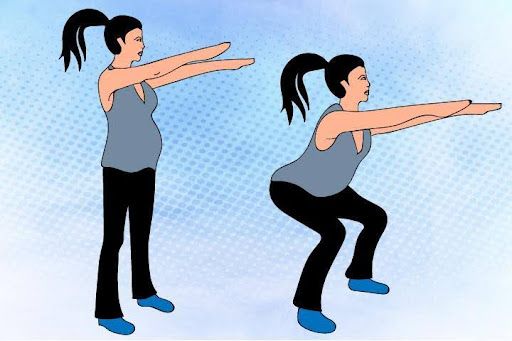
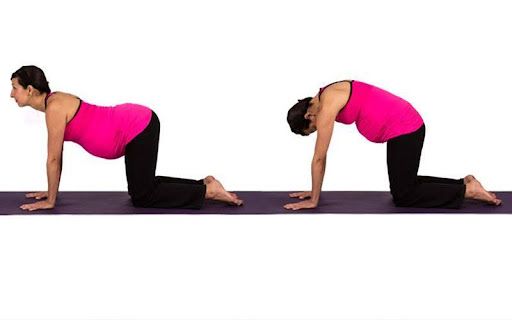
Prenatal Yoga
Builds flexibility, strength, and prepares for labor.
Safe poses:
- Cat-cow stretches
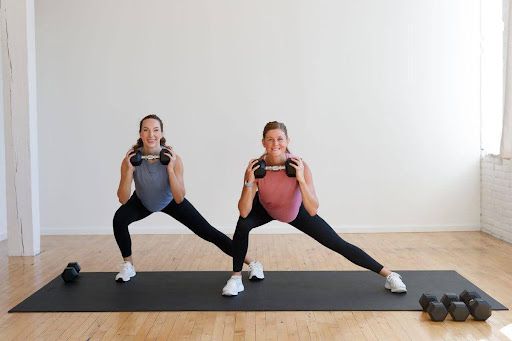
- Modified warrior poses
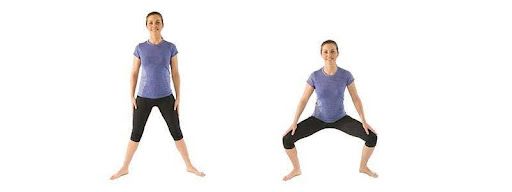
- Gentle hip openers
- Breathing exercises Avoid:
- Hot yoga (overheating is dangerous)
- Deep twists
- Poses lying flat on back (after first trimester)
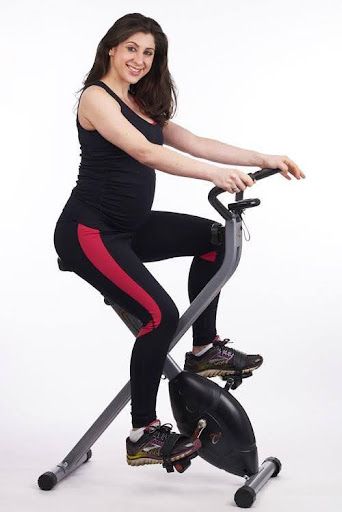
Low-Impact Aerobics
Prenatal aerobics classes are designed for pregnant women.
| Type | Notes |
|---|---|
| Step aerobics | Keep step low |
| Dance fitness | Avoid jumping |
| Stationary cycling | Good cardio option |
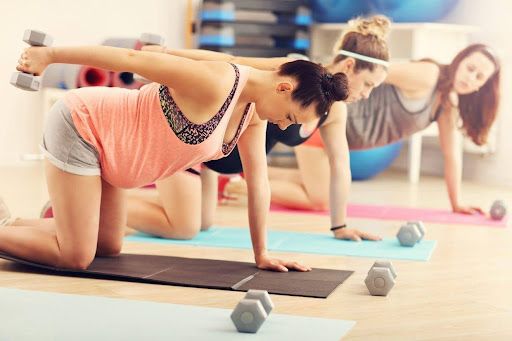
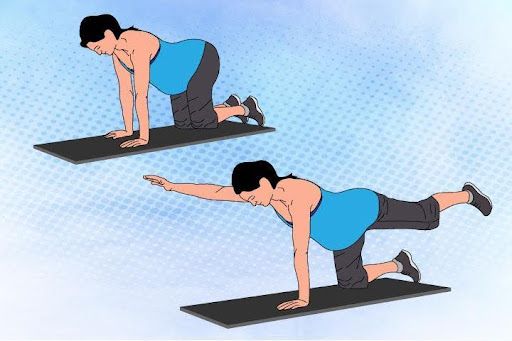
Strength Training
Maintain muscle tone with modifications.
Safe approach:
- Lighter weights, more repetitions
- Avoid heavy lifting
- Skip exercises lying flat on back
- Don’t hold breath while lifting
Exercises to Avoid
During First Trimester, Avoid:
| Activity | Why Avoid |
|---|---|
| Contact sports | Risk of abdominal injury |
| Hot yoga/hot pilates | Overheating harms baby |
| Scuba diving | Pressure changes dangerous |
| High-altitude activities | Reduced oxygen |
| Exercises with fall risk | Skiing, horseback riding |
| Heavy weightlifting | Strain on abdominal muscles |
Warning Signs to Stop Exercise
Stop immediately and rest if you experience:
-
Vaginal bleeding
-
Dizziness or fainting
-
Shortness of breath before starting
-
Chest pain
-
Headache
-
Muscle weakness
-
Calf pain or swelling
-
Regular contractions
-
Fluid leaking from vagina
If you have chest pain, severe breathlessness, fainting, or heavy vaginal bleeding, treat it as an emergency: call 112 (national emergency) or 108 (ambulance), or go to the nearest hospital.
Exercise Guidelines by Fitness Level
If You Were Active Before Pregnancy
| Guideline | Recommendation |
|---|---|
| Continue? | Yes, with modifications |
| Intensity | Can maintain, reduce if fatigued |
| Duration | 150+ minutes/week |
| New activities | Avoid starting intense new sports |
If You Were Inactive Before Pregnancy
| Guideline | Recommendation |
|---|---|
| Start? | Yes, gradually |
| Begin with | 10-15 minute walks |
| Build up | Add 5 minutes per week |
| Goal | 150 minutes/week moderate activity |
Sample First Trimester Exercise Schedule
Week Plan
| Day | Activity | Duration |
|---|---|---|
| Monday | Walking | 30 min |
| Tuesday | Prenatal yoga | 30 min |
| Wednesday | Rest or gentle stretching | - |
| Thursday | Swimming | 30 min |
| Friday | Walking | 30 min |
| Saturday | Light strength training | 20 min |
| Sunday | Rest | - |
Tips for Exercising While Pregnant
Staying Safe
-
Stay hydrated - Drink water before, during, and after
-
Don’t overheat - Exercise in cool environments
-
Wear supportive bra - Breasts grow and need support
-
Listen to your body - Fatigue is normal; rest when needed
-
Eat before exercise - Small snack prevents blood sugar drops
-
Avoid lying flat - After first trimester, avoid back-lying positions
Managing First Trimester Challenges
| Challenge | Solution |
|---|---|
| Morning sickness | Exercise when nausea is lowest |
| Fatigue | Shorter sessions are fine |
| Breast tenderness | Supportive sports bra |
| Frequent urination | Stay near restroom |
When to Avoid Exercise
Medical Conditions Requiring Caution
Consult your doctor before exercising if you have:
-
Cervical insufficiency
-
Placenta previa
-
Preeclampsia or pregnancy-induced hypertension
-
Severe anemia
-
Certain heart or lung conditions
-
Multiple pregnancy (twins/triplets) at risk
Bed Rest Prescribed
If your doctor recommends bed rest, follow their guidance strictly.
Frequently Asked Questions
Q: Can exercise cause miscarriage?
A: Current evidence shows moderate exercise does not increase miscarriage risk in healthy pregnancies. Active women often have healthier pregnancies. First trimester miscarriages are usually caused by chromosomal abnormalities, not exercise. If you have a high-risk pregnancy or any complication, check with your doctor first.
Q: How do I know if I’m exercising too hard?
A: Use the “talk test” - you should be able to hold a conversation while exercising. If you’re too breathless to talk, slow down. Also, stop if you experience any warning signs.
Q: Can I do ab exercises in first trimester?
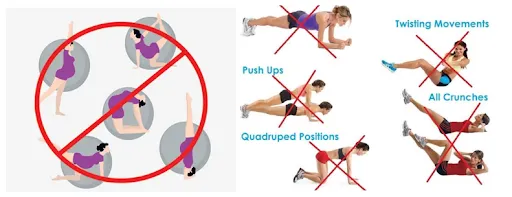
A: Yes, modified core exercises are safe in early pregnancy. Planks, standing crunches, and pelvic tilts are good options. Avoid traditional crunches lying on your back.
Q: Should I eat before or after exercise?
A: Both! Have a small snack 30-60 minutes before exercise (banana, crackers) and refuel with protein and carbs afterward. Don’t exercise on an empty stomach.
Q: What if I’m too tired to exercise?
A: First trimester fatigue is real. If exhausted, rest. Even a 10-minute walk counts. Listen to your body - energy usually returns in the second trimester.
Key Takeaways
- Exercise is generally safe for most healthy first trimester pregnancies
- Best activities: Walking, swimming, prenatal yoga, light strength training
- Avoid: Contact sports, hot environments, high fall-risk activities
- Listen to your body - Rest when needed
- Stay hydrated and don’t overheat
- Stop if warning signs - Bleeding, dizziness, contractions
- Consult your doctor before starting any exercise program
This article is for general information for parents and families in India and does not replace personalised medical advice. Pregnancy and exercise needs vary — always consult your own obstetrician or doctor before starting or changing an exercise routine, especially with any complication. In an emergency, call 112 (national emergency) or 108 (ambulance), or go to the nearest hospital.
This article was reviewed by the Babynama Medical Team. Last updated: January 2026
Questions about exercise during pregnancy? Chat with our doctors on Babynama for personalized guidance!
Need personalized guidance? Book a consultation with our pediatricians or explore our Care Plans for 24/7 expert support!
Related Tools