Jaundice in Babies: Types, Symptoms, Causes & Treatment
Last updated: January 2026
Quick Answer
Yes, jaundice (piliya) in newborns is very common and usually harmless. About 60% of full-term babies and up to 80% of premature babies develop some degree of jaundice in their first week of life. In most cases, it resolves on its own within 1-2 weeks without any treatment. However, severe jaundice needs prompt medical attention to prevent complications.
What is Newborn Jaundice (Piliya)?
Jaundice causes a yellowish tint to your baby’s skin and eyes. This happens because of bilirubin - a yellow substance produced when red blood cells break down. In adults, the liver easily processes bilirubin, but a newborn’s liver is still developing and may take a few days to work efficiently.
The reassuring truth: Most jaundice in newborns is a normal part of their adjustment to life outside the womb and is called “physiological jaundice.”
Types of Jaundice in Babies
1. Physiological Jaundice (Most Common)
- Appears 2-4 days after birth
- Peaks around days 3-5
- Resolves within 1-2 weeks
- Usually harmless - no treatment needed
2. Breastfeeding Jaundice
- Occurs in first week due to insufficient breastfeeding
- Baby not getting enough maa ka doodh
- Solution: Feed more frequently (8-12 times/day)
3. Breast Milk Jaundice
- Appears after first week, can last 4-12 weeks
- Caused by substances in breast milk
- Baby is otherwise healthy - usually no treatment needed
- Don’t stop breastfeeding!
4. Pathological Jaundice (Requires Attention)
- Appears within 24 hours of birth
- Bilirubin rises rapidly
- May indicate underlying condition
- Needs immediate medical evaluation
Symptoms to Watch For
Mild Jaundice (Usually Normal):
-
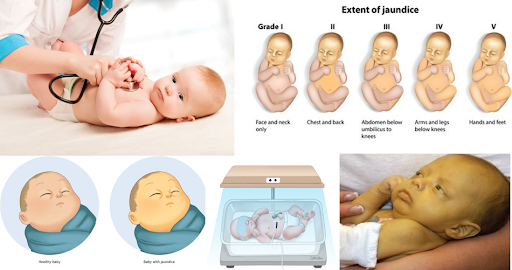
Yellowish tint starting from face, then chest
-
Baby is feeding well
-
Normal wet diapers (6+ per day)
-
Baby is alert when awake Warning Signs (Piliya Ki Chinta Kab Karein):
-
Yellow color spreads to arms, legs, palms, soles
-
Baby is very sleepy, difficult to wake for feeds
-
Poor feeding or refusing to feed
-
High-pitched crying
-
Fever
-
Baby appears very sick
-
Jaundice appearing within 24 hours of birth
Home Care for Mild Jaundice
Increase Breastfeeding
- Feed baby 8-12 times per day (har 2-3 ghante)
- Wake baby for feeds if sleeping too long
- Ensure proper latch for effective feeding
- More feeding = more bowel movements = faster bilirubin removal
The Sunlight Myth
Many families in India believe direct sunlight helps jaundice. Be careful:
- Indirect sunlight through a window for 10-15 minutes may help mildly
- Never place baby in direct harsh sunlight - can cause sunburn and dehydration
- Hospital phototherapy is much more effective and safe
- Don’t delay medical treatment hoping sunlight will work
Keep Baby Warm and Fed
- Maintain skin-to-skin contact
- Don’t skip feeds
- Watch for adequate wet/dirty diapers
When to See a Doctor Immediately
Rush to hospital if:
-
Jaundice appears within first 24 hours
-
Yellow color reaches palms and soles
-
Baby is extremely sleepy or limp
-
Baby refuses to feed or feeds poorly
-
High-pitched, inconsolable crying
-
Baby has fever
-
Bilirubin level rises rapidly Schedule a check-up if:
-
Jaundice persists beyond 2 weeks
-
You’re unsure if jaundice is improving
-
Baby seems less active than usual
-
Fewer wet diapers than expected
Hospital Treatment Options
Phototherapy (Light Treatment)
- Baby placed under special blue lights
- Lights break down bilirubin in the skin
- Very safe and effective
- Baby wears eye protection
- Usually 1-2 days of treatment
Exchange Transfusion
- Only for very severe cases
- Baby’s blood is partially replaced
- Removes excess bilirubin quickly
- Rarely needed
Prevention Tips
While you can’t completely prevent jaundice, you can reduce severity:
- Start breastfeeding within 1 hour of birth
- Feed frequently - 8-12 times daily in first week
- Ensure good latch for effective milk transfer
- Don’t supplement with water or glucose water (unless doctor advises)
- Watch for feeding cues - don’t wait for baby to cry
- Get bilirubin checked before hospital discharge and at follow-up
Frequently Asked Questions
Q: Mera baby bahut peela ho gaya hai - kya ye normal hai?
A: Some yellowness is normal, but if the yellow color has spread to baby’s arms, legs, or especially palms and soles, please see a doctor immediately. Mild jaundice on face and chest that appears after day 2 is usually normal physiological jaundice.
Q: Should I stop breastfeeding if baby has jaundice?
A: No! In most cases, you should breastfeed MORE frequently. Breast milk helps baby pass stools, which removes bilirubin. Only in very rare cases might a doctor advise a temporary pause - always follow your pediatrician’s advice.
Q: Dhoop mein baby ko rakhna chahiye?
A: Mild, indirect morning sunlight through a window may help slightly. But never place baby in direct harsh sunlight - it can cause sunburn and overheating. If jaundice is significant, hospital phototherapy is much more effective and safer than home sunlight exposure.
Q: How long does jaundice last?
A: Physiological jaundice typically peaks at days 3-5 and resolves by 2 weeks. Breast milk jaundice can last longer (4-12 weeks) but is usually harmless if baby is feeding and growing well.
Q: Can jaundice cause brain damage?
A: Severe untreated jaundice (very high bilirubin levels) can rarely cause brain damage (kernicterus). This is why monitoring and timely treatment are important. However, most jaundice is mild and poses no risk - your doctor will monitor bilirubin levels to ensure baby is safe.
Q: My baby’s poop is very light colored - is this related to jaundice?
A: Pale or white stools can indicate a problem with bile flow and should be checked immediately. Normal breastfed baby poop is yellow, seedy, and frequent. Report any consistently pale stools to your doctor.
This article was reviewed by a pediatrician. If you’re concerned about your baby’s jaundice, please consult a healthcare provider promptly.
Need personalized guidance? Book a consultation with our pediatricians or explore our Care Plans for 24/7 expert support!