Quick Answer: Baby eczema (atopic dermatitis) appears as dry, red, itchy patches - commonly on cheeks, scalp, arms, and legs. It affects up to 20% of babies and often starts before age 1. Treatment focuses on moisturizing frequently (2-3 times daily), avoiding triggers, and using prescribed creams when needed. Most children outgrow eczema, but proper management prevents flares and discomfort.
What Is Baby Eczema?
Eczema (atopic dermatitis) is a chronic skin condition that makes skin:
- Dry - Rough, scaly texture
- Red - Inflamed patches
- Itchy - Baby may scratch or rub affected areas
- Sensitive - Reacts to irritants easily
How Common Is Eczema?
| Fact | Detail |
|---|---|
| Prevalence | 15-20% of babies develop eczema |
| Age of onset | 60% develop it in first year |
| Family link | Higher risk if parents have eczema, asthma, or allergies |
| Outlook | Many children outgrow it by school age |
Reassurance: While eczema can be frustrating, it’s very manageable with proper care. Most children see significant improvement as they grow.
Identifying Eczema: What Does It Look Like?
By Age
| Age | Common Locations | Appearance |
|---|---|---|
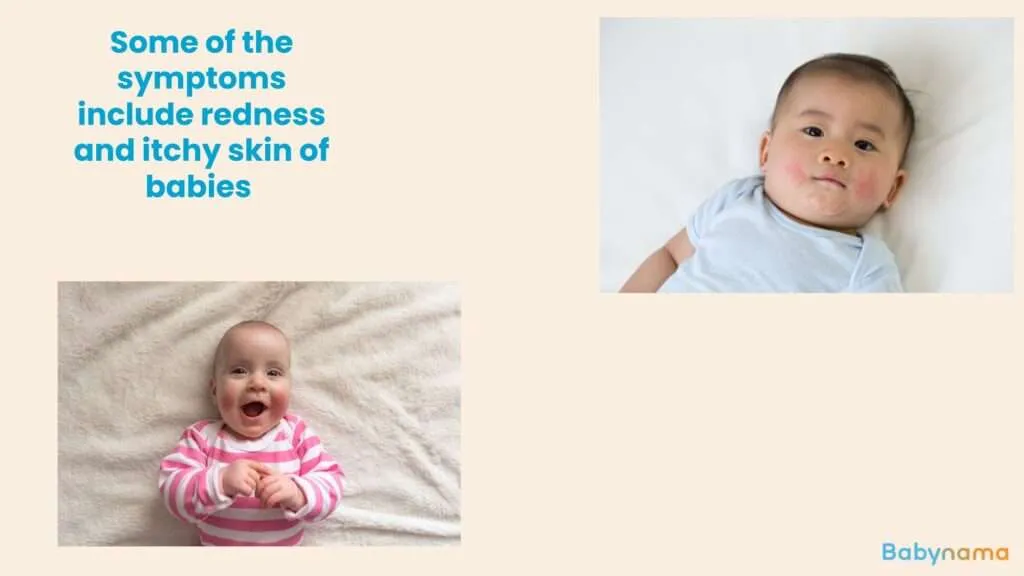
| 0-6 months | Face (cheeks), scalp | Red, weepy patches |
| 6-12 months | Elbows, knees (outer surfaces) | Dry, scaly patches |
| 1-2 years | Skin folds, wrists, ankles | Thickened, itchy skin |
| 2+ years | Elbow creases, behind knees, neck | Persistent dry patches |
Signs to Look For
- Dry, rough skin patches
- Red or brownish-gray patches
- Small raised bumps that may leak fluid
- Thickened, cracked skin
- Skin that looks “weepy” or crusted
- Baby scratching or rubbing affected areas
- Sleep disturbance due to itchiness
What Causes Eczema?
The Skin Barrier Problem
In eczema, the skin’s protective barrier is compromised:
- Moisture escapes easily
- Irritants enter easily
- Immune system overreacts
Risk Factors
| Factor | Risk Level |
|---|---|
| Family history of eczema | High |
| Family history of asthma/allergies | High |
| Living in dry climate | Moderate |
| Living in urban/polluted areas | Moderate |
Common Triggers
| Trigger Type | Examples |
|---|---|
| Irritants | Soaps, detergents, fragrances |
| Fabrics | Wool, synthetic materials |
| Environmental | Dry air, heat, sweating |
| Allergens | Dust mites, pet dander, pollen |
| Food (sometimes) | Eggs, milk, wheat, nuts |
| Stress | Illness, changes in routine |
Treatment: The Basics
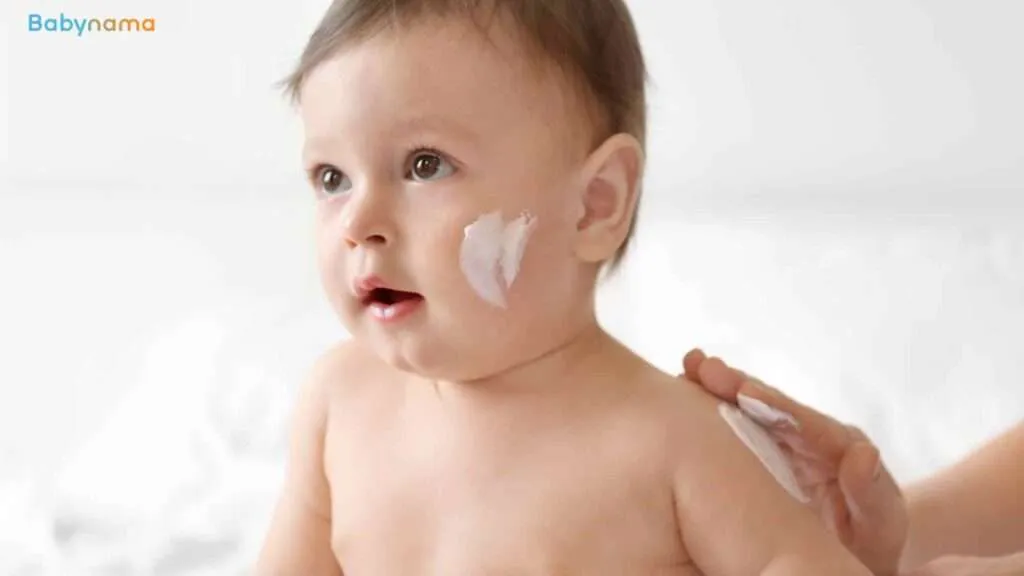
1. Moisturize, Moisturize, Moisturize!
This is the most important step in eczema management.
How often: 2-3 times daily, more during flares
When to apply:
- Immediately after bath (within 3 minutes)
- Before bed
- Whenever skin looks dry
What to use:
| Product Type | Best For |
|---|---|
| Ointments (petroleum jelly such as Vaseline, paraffin-based emollients) | Severe dryness, flares |
| Creams (Cetaphil, Venusia, Atogla, QV) | Daily maintenance |
| Lotions | Mild cases only (less effective) |
Tip: Thicker is better! Ointments work better than creams, which work better than lotions.
2. Gentle Bathing
| Do | Don’t |
|---|---|
| Lukewarm water | Hot water |
| Short baths (5-10 min) | Long soaks |
| Fragrance-free cleanser | Bubble bath, soaps |
| Pat dry gently | Rub with towel |
| Moisturize immediately | Let skin air dry |
3. Medicated Creams (When Prescribed)
| Type | Use | Notes |
|---|---|---|
| Topical steroids | Reduces inflammation during flares | Use as directed, not daily long-term |
| Tacrolimus/Pimecrolimus | Steroid-free option for face | For children over 2 |
| Antibiotic creams | If skin looks infected | When prescribed |
Using Topical Steroids Safely:
- Apply thin layer to affected areas only
- Use lowest strength that works
- Don’t use on face without doctor’s guidance
- Follow prescribed duration
- Moisturize on top
Preventing Flares
Daily Habits
- Moisturize religiously - Even when skin looks good
- Use gentle products - Fragrance-free everything
- Dress in cotton - Soft, breathable fabrics
- Keep nails short - Reduces scratching damage
- Maintain comfortable temperature - Not too hot or cold
Laundry Tips
- Use fragrance-free, dye-free detergent
- Double rinse clothes
- Avoid fabric softeners
- Wash new clothes before wearing
Identifying Food Triggers
Note: Food allergy as eczema trigger is less common than people think.
Only consider food testing if:
- Eczema is severe and not responding to treatment
- There’s immediate reaction after eating specific foods
- Doctor recommends it Don’t eliminate foods without medical guidance!
Managing the Itch
Itch is the hardest part of eczema for babies.
| Strategy | How It Helps |
|---|---|
| Keep skin moisturized | Dry skin itches more |
| Cool compress | Soothes inflamed skin |
| Wet wrap therapy | For severe flares (ask doctor) |
| Distraction | Keep baby’s hands busy |
| Scratch mittens | For nighttime (younger babies) |
| Antihistamines | Doctor may prescribe for severe itch |
When to See a Doctor
See Your Pediatrician If:
- Eczema is not improving with home care
- Baby is very itchy and uncomfortable
- Sleep is significantly affected
- You notice signs of infection:
- Pus or yellow crusting
- Increased redness spreading
- Fever (in a baby under 3 months, any fever of 100.4°F/38°C or higher is a same-day emergency — do not medicate and wait at home)
- Weeping, oozing skin
🚨 If your baby has rapidly spreading redness with fever, looks very unwell or lethargic, has trouble breathing, or develops sudden swelling of the face, lips, or tongue: call 112 (national emergency) or 108 (ambulance) or go to the nearest hospital. If an adrenaline auto-injector has been prescribed, use it first.
You May Need a Specialist (Dermatologist) If:
- Severe eczema not responding to treatment
- Need for stronger medications
- Recurring skin infections
- To discuss newer treatments
The Eczema Journey
What to Expect
| Age | Typical Pattern |
|---|---|
| Infants | Often starts on face and scalp |
| Toddlers | May shift to skin folds |
| Preschool | Some children outgrow it |
| School age | Most see improvement |
| Teens/Adults | Some continue to have eczema |
The “Atopic March”
Children with eczema have higher risk of developing:
- Food allergies
- Asthma
- Allergic rhinitis (hay fever) Regular follow-up with your pediatrician can help monitor and manage these.
Frequently Asked Questions
Q: Will my baby outgrow eczema?
A: Many children see significant improvement by school age, and some outgrow it completely. However, some continue to have sensitive skin into adulthood.
Q: Is eczema contagious?
A: No! Eczema is not contagious. It cannot spread to others or to other parts of the body through touch.
Q: Should I avoid giving my baby certain foods?
A: Don’t eliminate foods unless recommended by your doctor. Unnecessary food restriction can lead to nutritional deficiencies without helping eczema.
Q: Can I use coconut oil for eczema?
A: Virgin coconut oil is widely used in Indian homes and may act as a simple moisturizer for some babies, but evidence for treating eczema is limited — discuss it with your pediatrician. Some children react to it, so do a patch test first, and use it in addition to, not instead of, recommended treatments.
Q: Are steroid creams safe for babies?
A: When used as directed by your doctor, low-potency topical steroids for short periods are generally well-tolerated and effective. Under-treated eczema often causes more harm than appropriate, supervised steroid use. Always follow your pediatrician’s instructions on strength, area, and duration.
Q: Can breastfeeding prevent eczema?
A: Breastfeeding may reduce eczema risk in some babies, but it doesn’t guarantee prevention. If your baby develops eczema, it’s not because of anything you did or didn’t do.
Key Takeaways
- Eczema is common - Up to 20% of babies are affected
- Moisturize is #1 - 2-3 times daily, thicker is better
- Gentle skincare - Fragrance-free products, lukewarm baths
- Identify triggers - Irritants, fabrics, environmental factors
- Use medications as prescribed - Steroids are safe when used correctly
- Most children improve - Many outgrow eczema with age
- Seek help when needed - Don’t suffer in silence
This article was reviewed by Babynama Pediatricians. Last updated: January 2026
Need personalized guidance? Book a consultation with our pediatricians or explore our Care Plans for 24/7 expert support!
General information for Indian parents, not a substitute for your pediatrician. In an emergency, call 112 or 108.
Continue with this topic
A useful next step
Browse baby skin-care articlesFind guidance on rashes, eczema, dryness and everyday baby skin care.Have a question about your little one?
Join our free community for live Q&A with MD pediatricians — no cost to join.
Join the free community