Last updated: January 2026
Quick Answer
Is Inflammatory Bowel Disease (IBD) common in children? While IBD is not as common as regular tummy troubles, about 25% of IBD cases are diagnosed before age 20, and it’s important to know the signs.
IBD is different from regular loose motion or pet dard (stomach pain) that children get occasionally. If your child has persistent bloody diarrhea, ongoing stomach pain, unexplained weight loss, or growth problems, it’s important to get checked. But here’s the reassuring news: most children with IBD can live full, active lives with proper treatment. Early diagnosis and the right care make a huge difference.
What is Inflammatory Bowel Disease (IBD)?
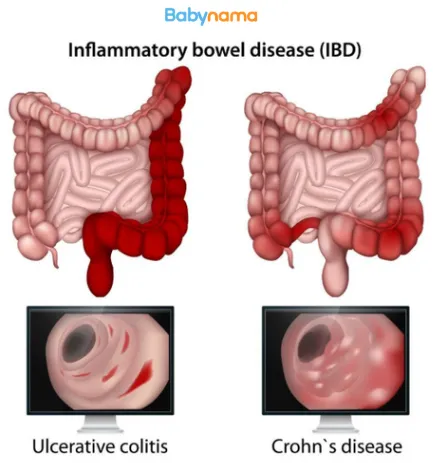
IBD is a chronic (long-term) condition where the digestive system becomes inflamed. It’s NOT the same as:
- Regular loose motion
- Food poisoning
- Occasional kabz (constipation)
- Temporary stomach bug
Two Main Types:
1. Crohn’s Disease:
-
Can affect any part of the digestive tract (mouth to bottom)
-
Affects all layers of the intestinal wall
-
May cause fistulas or strictures
-
More common in adolescents 2. Ulcerative Colitis:
-
Only affects the large intestine (colon) and rectum
-
Affects the inner lining only
-
Causes ulcers that bleed
-
Slightly more common in younger children
What Causes IBD in Children?
The exact cause is not fully understood, but it involves:
-
Immune System Problem:
-
Body’s defense system mistakenly attacks healthy gut tissue
-
Causes ongoing inflammation
-
Genetic Factors:
-
Runs in families (20-25% have a family member with IBD)
-
Having a parent or sibling with IBD increases risk
-
Environmental Triggers:
-
Diet may play a role (not the cause, but can trigger flares)
-
Stress can worsen symptoms
-
Infections may trigger onset in some cases Important: IBD is NOT caused by:
-
Something you fed your child
-
Bad hygiene
-
Stress alone
-
Spicy food
Symptoms to Watch For
Common Digestive Symptoms:
- Chronic diarrhea (loose motion lasting weeks)
- Blood or mucus in potty
- Severe pet dard (stomach cramps)
- Urgent need to use latrine
- Pain or burning during bowel movements
- Feeling of incomplete evacuation
Other Symptoms:
- Unexplained weight loss
- Failure to grow properly (growth delay)
- Loss of appetite
- Fatigue and weakness
- Fever that comes and goes
- Pale skin (anemia from blood loss)
- Delayed puberty
Outside-the-Gut Symptoms (can occur):
- Joint pain and swelling
- Skin rashes or ulcers
- Eye inflammation (redness, pain)
- Mouth ulcers
- Bone problems (brittle bones)
When to See a Doctor
Seek immediate care if:
- Large amounts of blood in stool
- Severe, unbearable pet dard
- High fever with bloody diarrhea
- Signs of dehydration (dry mouth, no tears, no urination)
- Unable to eat or drink anything
- Severe weakness or fainting
🚨 For severe bleeding, fainting, or a child who cannot stay awake or alert, call 112 (national emergency) or 108 (ambulance), or go to the nearest hospital right away.
Schedule an appointment if:
- Loose motion or diarrhea lasting more than 2-3 weeks
- Blood in potty (even small amounts)
- Ongoing stomach pain affecting daily life
- Weight loss without trying
- Child is not growing as expected
- Family history of IBD and your child has symptoms
How is IBD Diagnosed?
Your doctor may recommend:
- Blood Tests:
- Check for anemia and inflammation
- Look for nutritional deficiencies
- Stool Tests:
- Rule out infections
- Check for inflammation markers (calprotectin)
- Endoscopy/Colonoscopy:
- Camera tube to look inside the digestive tract
- Done under sedation (child sleeps through it)
- Tissue samples taken for biopsy
- Imaging:
- MRI or CT scan to see extent of disease
- Capsule endoscopy in some cases
Treatment Options
IBD is not curable, but it is very manageable. Many children go into remission (no symptoms) for long periods.
Medications:
- Anti-inflammatory Drugs:
- Mesalamine (5-ASA) - for mild cases
- Corticosteroids - for flares (short-term)
- Immunosuppressants:
- Reduce immune system activity
- Azathioprine, Methotrexate
- Biologics:
- Newer targeted therapies
- Infliximab, Adalimumab
- Given as injections or infusions
- Antibiotics:
- For specific complications
Nutritional Therapy:
- Special liquid diets can help (especially in Crohn’s)
- May induce remission without steroids
- Exclusive Enteral Nutrition (EEN)
- Supplements for deficiencies
Surgery:
- May be needed in severe cases
- Removing affected portion of intestine
- Not first-line treatment, but can be life-changing
Diet and Nutrition for IBD
During Flare-ups:
- Low-fiber, easy-to-digest foods
- Avoid dairy if lactose intolerant
- Small, frequent meals
- Plenty of fluids
- Avoid spicy, fried, or very fatty foods
Foods That Often Help:
| Food | Why It Helps |
|---|---|
| Khichdi | Easy to digest, gentle on gut |
| Banana | Binding, provides potassium |
| Curd (if tolerated) | Probiotics support gut |
| White rice | Low fiber during flares |
| Well-cooked vegetables | Nutrients without fiber stress |
| Lean proteins | Muscle repair and healing |
Foods to Limit During Flares:
- Raw vegetables and salads
- Whole grains and high fiber foods
- Spicy foods
- Fried and fatty foods
- Carbonated drinks
- Caffeine During Remission: Diet can be more liberal, but know your child’s triggers.
Living with IBD: Tips for Parents
Managing School Life:
- Inform school about child’s condition
- Ensure easy access to bathrooms
- Pack safe snacks
- Request practical accommodations from the school (washroom access, extra time, rest when needed)
Emotional Support:
- IBD can be stressful for children
- Look for signs of anxiety or depression
- Connect with support groups
- Consider counseling if needed
Preventing Flares:
- Take medications as prescribed
- Keep regular follow-up appointments
- Maintain a food diary to identify triggers
- Manage stress (yoga, meditation, hobbies)
- Get adequate sleep
- Stay active within limits
What’s Normal vs. Warning Sign?
| Normal | Warning Sign |
|---|---|
| Occasional loose motion | Persistent bloody diarrhea for weeks |
| Pet dard that goes away | Chronic, severe stomach pain |
| Temporary appetite loss | Ongoing weight loss |
| Growth spurts and pauses | Consistently falling behind on growth chart |
| Occasional fatigue | Constant tiredness and weakness |
Expert Insight: The key signal in IBD is not a single bad day but a pattern that does not settle - bloody diarrhea, stomach pain, or weight loss that lasts for weeks rather than days. If symptoms persist beyond 2-3 weeks, have your child evaluated rather than waiting it out.
FAQs
Q: Can IBD be confused with normal loose motion or stomach bug?
A: Yes, early IBD can look like a regular stomach infection. The difference is duration - if bloody diarrhea, weight loss, or severe pet dard lasts more than 2-3 weeks, see a doctor. Regular stomach bugs resolve within a week.
Q: Will my child have IBD forever?
A: IBD is a chronic condition, but many children go into remission for years at a time. With proper treatment, most children live normal, active lives. New treatments are making outcomes better every year.
Q: Is IBD the same as IBS (Irritable Bowel Syndrome)?
A: No, they are different. IBD involves actual inflammation and damage to the intestine. IBS is a functional disorder without visible damage. IBD is more serious but both can cause pet dard and bowel issues.
Q: Can my child eat normal food with IBD?
A: During remission, many children can eat a relatively normal diet. During flares, a gentler diet helps. It’s about knowing your child’s triggers and adjusting accordingly.
Q: Does stress cause IBD?
A: Stress does not cause IBD, but it can trigger flares in someone who already has it. Managing stress is an important part of managing IBD.
Q: Can my child play sports and be active with IBD?
A: Absolutely! In fact, regular physical activity is encouraged and can help with overall wellbeing. During flares, activity may need to be adjusted, but most children with IBD participate fully in sports and activities.
This article was reviewed by Babynama Pediatricians. For personalized advice about IBD in your child, consult with Babynama’s pediatric experts on WhatsApp.
General information for Indian parents, not a substitute for your pediatrician. In an emergency, call 112 or 108.
Need personalized guidance? Book a consultation with our pediatricians or explore our Care Plans for 24/7 expert support!
Related Tools
Have a question about your little one?
Join our free community for live Q&A with MD pediatricians — no cost to join.
Join the free community