Last updated: January 2026
Quick Answer
Gluten-free means avoiding all foods with wheat (atta, maida, suji), barley (jau), and rye. For children with Celiac disease, eating gluten damages their intestines and prevents nutrient absorption - causing pet dard, loose motion, kabz, and poor growth. Don’t worry - your child can still enjoy delicious meals! Rice, dal, jowar roti, bajra roti, idli, dosa, poha, and most traditional Indian foods are naturally gluten-free.
Quick Summary
This beginner’s guide explains Celiac disease and gluten-free eating in simple terms for Indian families. You’ll learn what gluten is (hint: it’s in your roti, bread, and biscuits!), how it affects children with Celiac disease, and how to help your child live a happy, healthy life with delicious gluten-free foods. Don’t worry - many Indian favorites like rice, dal, idli, and dosa are naturally safe!
What is Celiac Disease? (Simple Explanation)
Think of it like this:
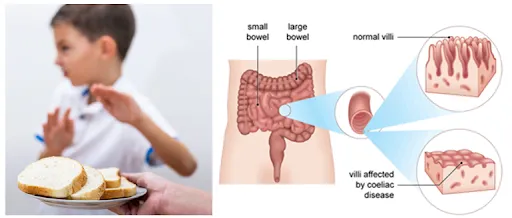
Imagine your child’s intestines are like a carpet with tiny fibers (called villi) that catch nutrients from food. In Celiac disease, when your child eats gluten (a protein in wheat), the body’s soldiers (immune system) get confused and attack those tiny fibers by mistake.
What happens:
- The tiny fibers get damaged
- Nutrients can’t be absorbed properly
- Child doesn’t get nutrition even when eating well
- This causes tummy problems and poor growth
The good news:
- Remove gluten from diet
- The fibers heal completely!
- Child can grow and thrive normally
What is Gluten? (For Indian Parents)
Gluten is a protein found in:
- Wheat (Gehu) - This is the BIG one for Indian families
- Atta (wheat flour)
- Maida (refined flour)
- Suji/Rava (semolina)
- Dalia (broken wheat)
- Barley (Jau)
- Rye (Not common in India)
What does this mean for daily diet?
Your child CANNOT eat:
- Regular roti, paratha, chapati
- Bread, pav, bun
- Maggi noodles, pasta
- Most biscuits and cookies
- Cakes and pastries
- Many packaged snacks
- Suji halwa, dalia, upma (wheat)
Step-by-Step: Starting a Gluten-Free Life
Step 1: Confirm the Diagnosis
Before changing anything:
-
Get blood test (tTG-IgA)
-
If positive, get endoscopy/biopsy
-
Tests only work while eating gluten!
-
Don’t start GF diet before testing Why this matters:
-
Many conditions look similar
-
Celiac needs lifelong diet change
-
You want to be 100% sure
Step 2: Understand What’s Safe vs. Unsafe
Make a Simple Chart:
| SAFE (Gluten-Free) | NOT SAFE (Has Gluten) |
|---|---|
| Rice (chawal) | Wheat (gehu/atta) |
| Jowar | Maida |
| Bajra | Suji/Rava |
| Ragi | Dalia |
| Makka (corn) | Barley (jau) |
| Besan | Bread |
| All dal | Regular biscuits |
| Fresh vegetables | Maggi |
| Fresh fruits | Pasta |
| Meat, fish, eggs | Most cakes |
| Milk, curd | Many packaged foods |
Step 3: Clean Your Kitchen
Remove or Separate:
-
All wheat products (or store separately)
-
Get new tawa for GF rotis (or clean thoroughly)
-
Separate containers for GF flours
-
New wooden spoons (they absorb gluten) Prevent Cross-Contamination:
-
GF food should never touch gluten food
-
Even crumbs can cause damage
-
Cook GF food first, before regular food
Step 4: Stock Up on Safe Foods
Your Shopping List:
Flours:
-
Rice flour (chawal ka atta)
-
Jowar flour
-
Bajra flour
-
Ragi flour
-
Besan (gram flour)
-
Kuttu flour (buckwheat)
-
Singhara flour (water chestnut) Grains:
-
Rice (all types)
-
Poha (flattened rice)
-
Puffed rice (murmura)
-
Sabudana
-
Makhana Everything Else:
-
All fresh vegetables and fruits
-
All fresh meat, fish, eggs
-
All dal and legumes
-
Milk, curd, paneer
-
Ghee, oil, butter
-
Nuts and seeds
-
Sugar, jaggery, honey
Step 5: Learn to Read Labels
Check every packaged food for:
-
Wheat, barley, rye
-
Gluten
-
Maida
-
Atta
-
Modified food starch (may be wheat)
-
Malt (from barley) Safe labels to look for:
-
“Gluten-Free” certification
-
“Made in a GF facility”
Step 6: Create a Weekly Menu
Sample Day:
| Meal | Gluten-Free Option |
|---|---|
| Breakfast | Idli + sambar OR Besan chilla OR Poha |
| Mid-Morning | Fresh fruit + nuts |
| Lunch | Rice + dal + sabzi + curd |
| Snack | Makhana OR Murmura chaat |
| Dinner | Jowar roti + paneer curry OR Rice + chicken curry |
Tips for Success
At Home:
- Make it a family effort - Everyone eats GF when possible
- Focus on what they CAN eat - So many options!
- Get creative - Many Indian recipes are naturally GF
- Celebrate wins - New recipe tastes good? Party!
- Stock safe snacks - Hungry kids make risky choices
At School:
- Pack everything from home - Lunch and snacks
- Talk to teachers - They need to understand
- Prepare your child - What to say when offered food
- Keep treats at school - For birthday parties
- Medical letter - From doctor if needed
At Family Functions:
- Call ahead - Explain what child can/cannot eat
- Bring your own food - Don’t depend on others
- Eat before going - So child isn’t starving
- Stay positive - It’s health, not punishment
Eating Out:
- Choose right restaurants - South Indian is usually safer
- Ask questions - Is there wheat in this?
- Order simple - Plain rice, grilled items
- Skip sauces - Often thickened with wheat
Common Mistakes to Avoid
- Starting diet before diagnosis - Tests won’t work later
- “Just a little bit” - No amount is safe
- Not checking medicines - Some tablets have gluten
- Ignoring cross-contamination - Even crumbs matter
- Not reading labels - Every single time
- Thinking it’s temporary - It’s lifelong
- Not explaining to child - They need to understand why
- Feeling guilty - It’s not your fault!
When to Seek Help
Contact your doctor if:
-
Symptoms continue after 4-6 weeks on strict GF diet
-
Child is still losing weight
-
New symptoms appear
-
You suspect accidental gluten exposure
-
Child is emotionally struggling
-
You need help with diet planning You should also consult:
-
Pediatric gastroenterologist - For Celiac management
-
Dietitian - For meal planning
-
Counselor - If child is stressed about diet
What Happens If Child Accidentally Eats Gluten?
Don’t panic!
- It happens, even to careful families
- Symptoms may appear in hours or next day
- Pet dard, loose motion, bloating may return
- Offer water, rest, and comfort
- Get back on GF diet immediately
- Symptoms will settle in a few days
- Learn from what happened
- Never punish the child
FAQs
Q: Can my child ever eat regular roti again?
A: Unfortunately, no. Celiac disease is lifelong. But jowar roti, bajra roti, and makki roti are delicious alternatives that become family favorites!
Q: Is Celiac disease the same as wheat allergy?
A: No, they’re different. Wheat allergy is an allergic reaction (immediate symptoms like rash, breathing issues). Celiac is an autoimmune disease that damages intestines over time. Both require avoiding wheat, but for different reasons.
Q: Can siblings eat regular food in front of the Celiac child?
A: This is a family decision. Some families go fully GF to support the child. Others eat normally but are very careful about contamination. What matters is your child feels supported, not punished.
Q: Are there any Indian snacks my child can eat?
A: Yes! Many traditional snacks work:
- Roasted chana
- Makhana (fox nuts)
- Murmura (puffed rice)
- Fresh fruit chaat
- Homemade besan ladoo
- Rajgira ladoo
- Sabudana vada
Q: What about eating at dadi/nani’s house?
A: Educate family about cross-contamination. Offer to bring food or cook together. Many grandparents become experts once they understand the seriousness. Give them simple recipes they can safely make.
Q: Will my child’s growth catch up after starting GF diet?
A: Yes! Most children show significant catch-up growth within 6-12 months of starting a strict gluten-free diet. The earlier the diagnosis and stricter the diet, the better the growth recovery.
This article was reviewed by Babynama Pediatricians. For personalized advice about Celiac disease and gluten-free living for your child, consult with Babynama’s pediatric experts on WhatsApp.
Need personalized guidance? Book a consultation with our pediatricians or explore our Care Plans for 24/7 expert support!
General information for Indian parents, not a substitute for your pediatrician. In an emergency, call 112 or 108.
Have a question about your little one?
Join our free community for live Q&A with MD pediatricians — no cost to join.
Join the free community