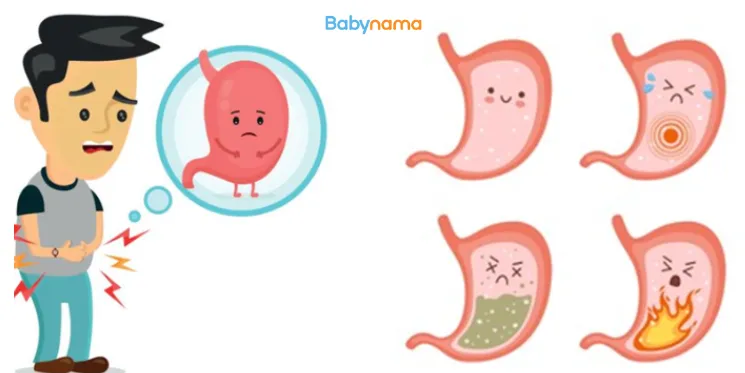
Quick Answer: Gastritis (stomach inflammation) causes tummy pain, nausea, and sometimes vomiting in children. It’s usually triggered by infections, certain medications, or eating habits. Most cases improve with simple dietary changes - eating smaller meals, avoiding spicy/acidic foods, and giving the stomach time to heal. See a doctor if pain is severe, persistent, or accompanied by blood in vomit or stool.
Understanding Gastritis in Simple Terms
Think of your child’s stomach like a balloon with a protective coating inside. Gastritis is when this coating gets irritated or damaged. When it’s damaged, stomach acid hurts the sensitive tissue beneath.
What Happens Inside
| Normal Stomach | With Gastritis |
|---|---|
| Protective lining intact | Lining irritated/inflamed |
| Acid contained safely | Acid causes pain |
| Comfortable digestion | Pain during/after eating |
Why Does Gastritis Happen in Children?
Common Triggers
| Trigger | How It Causes Gastritis |
|---|---|
| H. pylori bacteria | Infects and damages stomach lining |
| Pain medications | Ibuprofen, aspirin irritate lining |
| Stomach virus | Temporary inflammation |
| Spicy/acidic foods | Irritate sensitive stomachs |
| Irregular eating | Too long between meals allows acid buildup |
| Stress/anxiety | Increases acid production |
Age Matters
| Age | Common Causes |
|---|---|
| Toddlers | Viral infections, food intolerance |
| School-age | Stress, poor eating habits, H. pylori |
| Teens | Stress, NSAIDs, irregular meals, spicy foods |
How to Tell If Your Child Has Gastritis
Symptoms by Age
Toddlers/Preschoolers (Can’t describe well):
- Crying after eating
- Holding or pointing to tummy
- Not wanting to eat
- Vomiting
- Fussiness, especially at mealtimes
School-age Children:
- “My tummy hurts” (upper middle)
- Burning feeling
- Feeling sick
- Not hungry
- Feeling full quickly
- Sometimes vomiting
Teens:
- Burning stomach pain
- Pain that improves or worsens with food
- Nausea
- Bloating
- Burping
When Pain Typically Occurs
| Pattern | What It Might Mean |
|---|---|
| Pain when stomach is empty | Possible ulcer or high acid |
| Pain after eating | Possible gastritis |
| Pain with certain foods | Food trigger identified |
| Constant pain | Needs evaluation |
What You Can Do at Home
Immediate Relief
- Small sips of water - Keep hydrated but don’t overload stomach
- Rest - Physical rest helps
- Warm compress - On tummy for comfort
- Bland food - If child wants to eat
Diet Modifications
The BRAT+ Diet (When Stomach Is Upset)
| Food | Why It Helps |
|---|---|
| Bananas | Easy to digest, gentle |
| Rice | Bland, binding |
| Applesauce | Gentle, easy to digest |
| Toast | Plain, non-irritating |
| + Crackers, boiled potatoes | Bland options |
Foods to Give:
- Plain rice, khichdi
- Boiled/steamed vegetables
- Lean chicken, fish
- Bananas, melons
- Oatmeal
- Yogurt (if tolerated)
- Clear soups
Foods to Avoid:
- Spicy foods
- Citrus fruits and juices
- Tomatoes and tomato sauce
- Fried foods
- Chocolate
- Caffeine (cola, coffee)
- Carbonated drinks
Meal Timing
| Instead of… | Do this… |
|---|---|
| 3 large meals | 5-6 small meals |
| Skipping breakfast | Regular morning meal |
| Late-night eating | Dinner 2-3 hours before bed |
| Eating quickly | Eating slowly, chewing well |
When to See the Doctor
Make an Appointment If:
- Stomach pain lasting more than 2-3 days
- Pain interfering with daily activities
- Frequent complaints of burning
- Loss of appetite affecting nutrition
- Symptoms not improving with home care
Urgent Care Needed If:
🚨 The following are emergencies. Call 112 (national emergency) or 108 (ambulance), or go to the nearest hospital right away if your child has:
- Vomiting blood (red or looks like coffee grounds)
- Black, tarry stools
- Severe, unrelenting stomach pain
- Signs of dehydration (no urine for 6-8 hours, sunken eyes, no tears, very drowsy)
- Fainting or extreme weakness
What the Doctor Will Do
At the Visit
- Ask about symptoms - When, how often, what helps
- Examine tummy - Feel for tender spots
- Check weight - Weight loss is a concern
- Order tests if needed
Common Tests
| Test | What It Checks |
|---|---|
| H. pylori test | Bacterial infection (breath, stool, or blood) |
| Blood tests | Anemia, infection markers |
| Stool test | Blood in stool, infections |
| Ultrasound | Rule out other causes |
| Endoscopy | Direct look (if needed) |
Treatment Options
Medications (Doctor-Prescribed Only)
| Type | What It Does |
|---|---|
| Antacids | Neutralizes acid for quick relief |
| H2 blockers | Reduces acid production |
| PPIs | Blocks acid more effectively |
| Antibiotics | If H. pylori is present |
Never give antacids or acid-reducers without doctor’s advice - they can mask serious problems.
For H. pylori Infection
- “Triple therapy” - 2 antibiotics + 1 acid reducer
- 10-14 days of treatment
- Follow-up testing to confirm it’s gone
Preventing Gastritis
Good Habits to Build
| Habit | How It Helps |
|---|---|
| Regular meals | Prevents acid buildup |
| Slow eating | Better digestion |
| Water with meals | Not too much, but enough |
| Chewing well | Easier on stomach |
| Not lying down after eating | Prevents reflux |
Stress Management
Even kids can have stress-related stomach issues:
- Identify stress sources (school, friends, changes)
- Teach relaxation techniques
- Ensure adequate sleep
- Physical activity helps
- Talk about worries
Medication Safety
- Give NSAIDs (ibuprofen) with food
- Use paracetamol when possible (gentler on stomach)
- Don’t exceed recommended doses
- Short-term use only unless doctor-directed
Frequently Asked Questions
Q: How is gastritis different from a stomach bug?
A: A stomach bug (viral gastroenteritis) usually causes vomiting AND diarrhea and resolves in 1-3 days. Gastritis tends to cause more burning pain, may not involve diarrhea, and can last longer. A virus can sometimes trigger gastritis.
Q: Can my child play sports with gastritis?
A: Mild exercise is usually fine. Avoid intense activity right after eating. If pain is significant, rest until symptoms improve.
Q: Will my child always have stomach problems?
A: Most children’s gastritis resolves completely with treatment and doesn’t recur. Some children may have sensitive stomachs and need to watch triggers long-term.
Q: Can anxiety cause stomach pain that looks like gastritis?
A: Yes! Anxiety and stress can cause real physical stomach symptoms. If gastritis is ruled out, addressing the underlying anxiety is important.
Q: Should I eliminate dairy if my child has gastritis?
A: Not necessarily. Some children tolerate dairy fine with gastritis. If you notice dairy worsens symptoms, reduce it temporarily and discuss with your doctor.
Key Takeaways
- Gastritis = stomach lining inflammation causing pain and nausea
- Common causes: Infections, medications, diet, stress
- Home treatment: Small bland meals, avoid triggers
- Warning signs: Blood in vomit/stool, severe pain
- Most cases resolve with diet changes and time
- See doctor if symptoms persist or are severe
This article was reviewed by Babynama Pediatricians. Last updated: January 2026
General information for Indian parents, not a substitute for your pediatrician. In an emergency, call 112 or 108.
Need personalized guidance? Book a consultation with our pediatricians or explore our Care Plans for 24/7 expert support!
Have a question about your little one?
Join our free community for live Q&A with MD pediatricians — no cost to join.
Join the free community