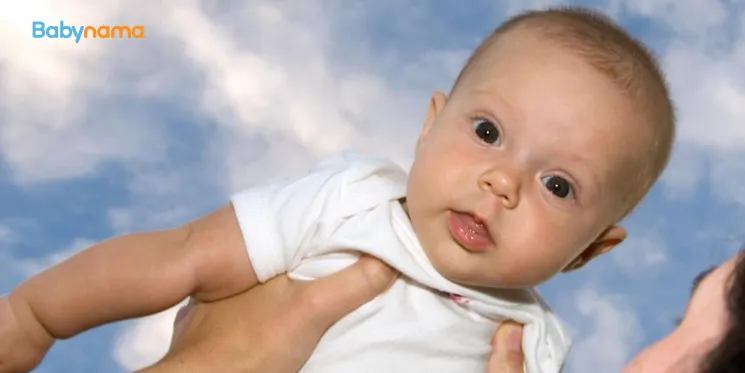
Quick Answer: Your baby’s staring is usually a normal, healthy part of brain development. Babies stare because they’re learning about their world - studying faces, tracking movement, and processing new visual information. Staring at you especially means they recognize and are bonding with you. Only rarely does staring combined with other signs (unresponsiveness, rhythmic jerking) indicate a concern that needs a doctor.
Why do babies stare at me? When your baby locks eyes with you, they’re studying the most interesting object in their world — your face. A newborn sees most clearly at about 8-12 inches, which is roughly the distance to your face during feeding and cuddles (AAP: Infant Vision Development). Staring at you helps them memorise your features, connect your voice to your face, and build the secure attachment that underpins healthy development. So when your baby stares at you, they are usually bonding with you and learning — it’s a good sign, not a worry.
Why Babies Stare
Newborns and young babies stare for many fascinating reasons - all related to how they’re developing and learning.
Reasons Your Baby Stares
| Reason | What’s Happening |
|---|---|
| Learning faces | Recognizing parents and caregivers |
| Developing vision | Practicing focusing and tracking |
| Brain development | Processing new visual information |
| Fascination | Finding contrast and movement interesting |
| Communication | Early form of social interaction |
| Tiredness | Sometimes a sign they’re getting sleepy |
What Your Baby Can See (By Age)
Newborn Vision Development
| Age | What They Can See |
|---|---|
| Birth | 8-12 inches (your face while feeding) |
| 1 month | High contrast patterns, faces |
| 2 months | Beginning to follow moving objects |
| 3-4 months | See across the room, recognize faces |
| 5-6 months | Full color vision developing |
| 6-12 months | Near adult-quality vision |
Why Faces Are Fascinating
Babies are hardwired to prefer faces from birth:
- Contrast - Eyes, mouth create patterns they can see
- Movement - Your face changes when you talk and smile
- Voice connection - Sound comes from this interesting object
- Bonding - Evolutionarily important for survival
Types of Baby Staring
Staring at You (Parent)
Why Do Babies Stare at Me?
What it means: Your baby recognizes you and is bonding!
This is wonderful - your baby is:
- Learning your face
- Feeling safe and secure
- Communicating with you
- Building attachment
Human faces are the single most rewarding thing a young baby can look at — full of the contrast, movement and voice that their developing vision is tuned to notice. Your face also sits at the exact distance a newborn can focus on during feeds, so each long gaze is your baby practising recognition and deepening the bond with you. If your baby makes eye contact with you, tracks your face, and is meeting their other milestones, this staring is a healthy, expected part of early development.
Staring at Strangers
What it means: Curiosity about new faces.
| Age | Typical Response |
|---|---|
| 0-3 months | May stare at anyone |
| 4-6 months | Shows preference for familiar faces |
| 6-12 months | May be wary of strangers (normal) |
Staring at Objects
What it means: Learning about the world.
Babies often stare at:
- Ceiling fans (movement!)
- Lights (contrast)
- Patterns (visual stimulation)
- Colorful objects (developing color vision)
Staring Into Space
What it means: Usually processing information or getting tired.
This is normal unless accompanied by:
- Unresponsiveness to sounds
- Rhythmic movements
- Prolonged episodes that you can’t interrupt
When Staring Is a Sleep Cue
Sometimes staring means your baby is tired:
Signs Staring = Sleepiness
| Combined With | Meaning |
|---|---|
| Yawning | Getting sleepy |
| Slower movements | Winding down |
| Red eyebrows/eyes | Tired |
| Turning away from stimulation | Overstimulated |
| Rubbing eyes | Ready for sleep |
When to Be Concerned
Red Flags to Watch For
Most staring is normal, but consult your pediatrician if you notice:
| Concern | What to Look For |
|---|---|
| No eye contact | Never makes eye contact by 2-3 months |
| Doesn’t follow objects | Can’t track a toy by 3-4 months |
| Unresponsive staring | Doesn’t respond to sounds or touch during episodes |
| Abnormal eye movements | Eyes don’t move together, unusual jerking |
| Seizure signs | Staring with rhythmic movements, unresponsive |
Seizures vs. Normal Staring
| Normal Staring | Possible Seizure |
|---|---|
| Can be interrupted | Cannot be interrupted |
| Responds if you call | Unresponsive |
| Eyes track normally | Eyes may roll or jerk |
| No other movements | May have rhythmic movements |
| Variable duration | Often similar duration |
Important: If you’re concerned about seizure-like episodes, video record them to show your doctor. 🚨 If your baby has a staring episode with jerking, stiffening, blue lips, or doesn’t respond and recover quickly, call 112 (national emergency) or 108 (ambulance) or go to the nearest hospital right away. In a baby under 3 months, any fever of 100.4°F (38°C) or higher is a same-day emergency — see a doctor immediately.
How to Interact When Baby Stares
Make the Most of Eye Contact
When your baby stares at you, take advantage:
| Activity | How to Do It |
|---|---|
| Talk to them | Narrate what you’re doing |
| Make faces | Smile, open mouth, raise eyebrows |
| Sing | Songs engage multiple senses |
| Read | Even newborns benefit from hearing words |
| Mirror | Copy their expressions back |
Visual Development Activities
| Age | Activities |
|---|---|
| 0-2 months | High contrast images, face-to-face time |
| 2-4 months | Tracking toys, colorful mobiles |
| 4-6 months | Mirror play, peek-a-boo |
| 6-12 months | Hide and find games, books with pictures |
Frequently Asked Questions
Q: Why does my baby stare at the ceiling fan?
A: Fans are fascinating to babies because of movement and contrast. Their vision is still developing, and moving objects are easier to see and track. This is normal and helpful for visual development.
Q: Is it bad if my baby stares at lights?
A: Brief staring at lights is normal - babies are drawn to contrast. However, avoid letting baby stare at very bright lights directly. Redirect their attention if they seem fixated.
Q: Why does my baby stare at me while breastfeeding?
A: This is bonding! Your face is the perfect distance for a newborn to see (8-12 inches). They’re learning your features and connecting feeding with your presence. It’s one of the most important early attachment behaviors.
Q: My baby stares but doesn’t smile - is this normal?
A: Social smiling typically develops around 6-8 weeks. Before that, staring without smiling is typically normal. Social smiling can appear anywhere from about 6 weeks; if your baby isn’t smiling socially by 3 months, mention it to your pediatrician.
Q: Why does my baby seem to stare “through” me?
A: Babies sometimes zone out when processing information or getting tired. If your baby is generally responsive, makes eye contact at other times, and reaches development milestones, occasional zoning out is normal.
Key Takeaways
- Staring is normal - It’s how babies learn about their world
- Faces are fascinating - Your baby is bonding when staring at you
- Vision develops gradually - Newborns see about 8-12 inches
- Movement attracts - Fans, mobiles, and moving objects captivate babies
- Can mean tiredness - Combined with other cues, staring may signal sleep time
- Usually nothing to worry about - Only concerning with other red flags
- Engage with your baby - Use staring moments for interaction
This article was reviewed by Babynama Pediatricians. Last updated: January 2026
This article is for general information for parents in India and is not a substitute for professional medical advice. Always consult your pediatrician for your child’s specific situation. In an emergency, call 112 (national emergency) or 108 (ambulance), or go to your nearest hospital.
Need personalized guidance? Book a consultation with our pediatricians or explore our Care Plans for 24/7 expert support!
Continue with this topic
A useful next step
Browse child-development articlesExplore milestones, movement, speech, behaviour and learning across childhood.Have a question about your little one?
Join our free community for live Q&A with MD pediatricians — no cost to join.
Join the free community