Quick Answer
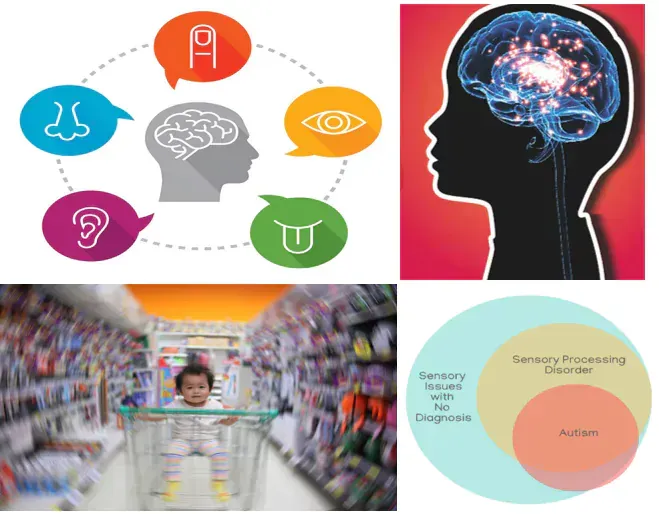
Sensory Processing Disorder (SPD) can be challenging, but with the right therapy and support, children CAN improve significantly! If your child seems overly sensitive to sounds, textures, or movement - or seeks intense sensory input - they may have sensory processing differences. Early intervention with occupational therapy helps children learn to manage their responses and participate fully in daily activities. You’re not alone, and help is available.
What Is Sensory Processing Disorder? (SPD Kya Hai)
Understanding SPD
Simply explained:
-
Brain has difficulty processing sensory information
-
Child may over-react OR under-react to sensory input
-
Affects how they experience the world
-
Can impact behavior, sleep (neend), eating, learning Senses involved:
-
Sight (vision)
-
Sound (hearing)
-
Touch
-
Taste
-
Smell
-
Movement (vestibular)
-
Body awareness (proprioception)
Types of Sensory Processing Differences
| Type | Meaning | Signs |
|---|---|---|
| Hypersensitivity (over-responsive) | Too much input feels overwhelming | Covers ears, avoids textures, dislikes crowds |
| Hyposensitivity (under-responsive) | Needs more input to register | Seeks intense stimulation, high pain tolerance |
| Sensory seeking | Craves specific sensory input | Constantly moving, touching everything, loud |
| Sensory avoiding | Avoids specific sensory input | Picky eater, dislikes certain clothes, retreats |
Many children have a mix of both!
Signs and Symptoms
In Babies
May indicate sensory issues:
- Very fussy, difficult to soothe (bahut zyada rota hai)
- Difficulty feeding (gagging, refusing textures)
- Startles easily at sounds
- Resists being held or cuddled
- Sleep problems (neend mein problem)
- Doesn’t like baths or diaper changes
- Very sensitive to tags, seams in clothes
In Toddlers and Preschoolers
Common signs:
| Area | Hypersensitive | Hyposensitive/Seeking |
|---|---|---|
| Sound | Covers ears, cries at loud sounds | Doesn’t respond to name, loves loud music |
| Touch | Hates certain textures, messy play | Touches everything, doesn’t feel pain |
| Movement | Fears swings, climbing | Can’t stop moving, crashes into things |
| Taste/Food | Very picky eater, gags easily | Mouths everything, craves strong flavors |
| Visual | Overwhelmed by busy places | Stares at lights, fans |
In School-Age Children
Additional concerns:
- Difficulty with handwriting
- Clumsy, poor coordination
- Trouble with transitions
- Meltdowns in overwhelming environments
- Difficulty making friends
- Poor attention in noisy settings
- Unusual fear of everyday activities
SPD and Sleep
Sleep problems are common:
- Difficulty settling to sleep
- Needs specific conditions (complete dark, quiet)
- Wakes easily
- May seek movement to fall asleep
- Sensitive to bedding textures
- Night waking (raat ko jagta hai)
What Causes SPD?
Risk Factors
| Factor | Connection |
|---|---|
| Premature birth | More common in preemies |
| Birth complications | Brain development affected |
| Genetics | May run in families |
| Environmental factors | Limited sensory exposure early in life |
| Developmental differences | Often occurs with autism, ADHD |
SPD can occur alone or with other conditions!
When to Seek Help
Consult Professional If:
- Sensory issues affecting daily life
- Problems with eating, sleeping, playing
- Difficulty in school or social settings
- Frequent meltdowns in sensory environments
- Child very distressed by sensory experiences
- Not responding to sounds or touch normally
- Coordination and motor skill problems
See your pediatrician promptly if your child loses skills they previously had (for example, stops responding to their name, loses words, or stops making eye contact), or if you have any concern about hearing or vision — these need a proper evaluation rather than being assumed to be sensory issues.
Who Can Help
| Professional | Role |
|---|---|
| Pediatrician | Initial evaluation, referrals |
| Occupational Therapist (OT) | Primary treatment, sensory evaluation |
| Developmental Pediatrician | Diagnosis, comprehensive assessment |
| Child Psychologist | Behavioral strategies, anxiety |
| Physical Therapist | Motor skill issues |
Diagnosis
How SPD Is Identified
Evaluation includes:
- Detailed developmental history
- Observation of child
- Standardized sensory assessments
- Parent and teacher questionnaires
- Motor and coordination testing
- Rule out other conditions Note: SPD is not in DSM-5 as separate diagnosis, but occupational therapists recognize and treat it
Treatment Options
Occupational Therapy (Most Common)
Sensory Integration Therapy (SIT):
-
Controlled, fun sensory activities
-
Gradually builds tolerance
-
Teaches coping strategies
-
Usually 1-2 sessions per week
-
Child-led, play-based Activities may include:
-
Swinging, spinning, jumping
-
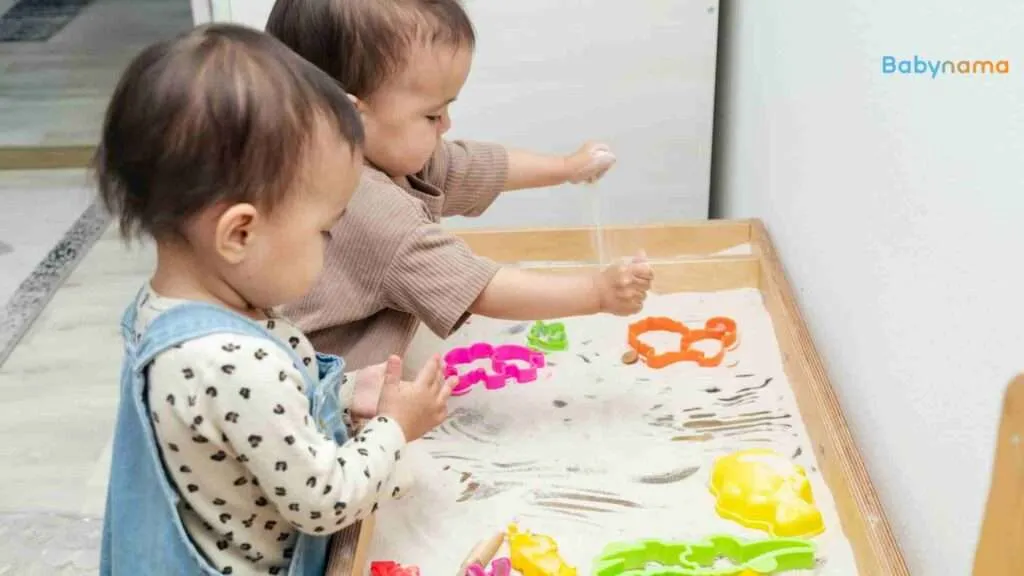
Texture play (sand, playdough, water)
-
Weighted blankets or vests
-
Deep pressure activities
-
Coordination exercises
Sensory Diet
What it is: Customized plan of sensory activities throughout day
Examples:
| Time | Activity | Purpose |
|---|---|---|
| Morning | Jump on trampoline | Alert and organize |
| Before school | Heavy backpack walk | Calming input |
| At school | Fidget toy, seat cushion | Stay focused |
| After school | Outdoor play | Release energy |
| Before bed | Deep pressure massage | Calm for sleep |
Designed by OT specifically for your child!
Other Therapies
| Therapy | When Helpful |
|---|---|
| Cognitive Behavioral Therapy (CBT) | For anxiety about sensory experiences |
| Speech Therapy | If feeding/oral issues |
| Physical Therapy | For motor coordination |
| Listening programs | For auditory processing |
What You Can Do at Home (Ghar Pe Kya Karein)
Creating a Sensory-Friendly Environment
For hypersensitive children:
-
Quiet spaces to retreat
-
Soft, natural lighting
-
Seamless clothing (cut tags!)
-
Reduce visual clutter
-
Noise-canceling headphones available
-
Predictable routines For hyposensitive/seeking children:
-
Safe movement options (swing, trampoline)
-
Chewy toys, crunchy snacks
-
Heavy work activities
-
Fidget toys
-
Outdoor time daily
-
Deep pressure activities
Sensory Activities at Home
| Activity | Sensory Input | Good For |
|---|---|---|
| Playdough/atta dough | Touch, hand strength | Calming, motor skills |
| Jumping/trampolining | Movement, body awareness | Alerting, organizing |
| Water play | Touch, temperature | Calming |
| Swing | Movement | Calming or alerting |
| Deep pressure massage | Touch | Calming, before sleep |
| Obstacle course | All senses | Organizing |
| Blowing bubbles | Oral, visual | Calming |
Helping with Sleep
If sensory issues affect sleep (neend):
- Consistent calming routine
- Weighted blanket (if appropriate)
- White noise or silence (child’s preference)
- Complete darkness or night light
- Seamless, soft pajamas
- Deep pressure before bed
- Avoid overstimulation in evening
Mealtime Tips
For picky eaters with sensory issues:
- Don’t force new foods
- Offer familiar alongside new
- Let child touch/smell before eating
- Gradual exposure over weeks
- Crunchy, bland foods often accepted first
- Involve in food preparation
Prognosis
Can Children Overcome SPD?
YES, with proper support:
- Many children improve significantly
- Learn coping strategies
- Symptoms may lessen with age
- Early intervention helps most
- Some sensitivity may always remain Outcomes vary from child to child. Sensory differences often become more manageable over time with consistent therapy and support, though some children continue to need strategies into adulthood. Your child’s occupational therapist and pediatrician can give you a realistic picture for your child.
Frequently Asked Questions
Q: Bachcha har cheez se darta hai - sounds, crowds, certain kapde. SPD hai?
A: Could be sensory hypersensitivity. Signs of SPD include: extreme reactions to sounds/textures, covering ears, meltdowns in crowded places, clothing battles daily. If affecting daily life significantly, consult pediatrician and ask for occupational therapy (OT) evaluation. Many children with these sensitivities benefit greatly from sensory integration therapy. Not every sensitive child has SPD, but evaluation helps clarify.
Q: SPD autism hai kya?
A: NO, SPD is not autism. However, many children with autism ALSO have sensory processing issues. Key difference: autism includes social communication challenges, repetitive behaviors, and restricted interests. SPD alone means only sensory processing difficulty. A child can have SPD without autism. Proper evaluation by developmental specialist can differentiate. Treatment approach differs, though sensory strategies help both.
Q: Occupational therapy kahan milegi? India mein available hai?
A: Yes! OT is available in major cities at: pediatric hospitals, child development centers, special schools, private OT clinics. In metros: Fortis, Apollo, Max have OT departments. Ask pediatrician for referral. Sessions usually 1-2 times per week. Home program provided to continue between sessions. Telehealth OT also available now for guidance.
Q: SPD ka ilaj ho sakta hai?
A: Many children improve significantly with therapy! Occupational therapy (sensory integration) is very effective. Children learn coping strategies, build tolerance, develop skills. Early intervention gives best results. Some sensitivity may remain into adulthood but often becomes more manageable. Many children make good progress with proper support, though outcomes vary. Your pediatrician and occupational therapist can guide what to expect for your child.
Q: SPD se neend (sleep) kaise affect hoti hai?
A: Very commonly! Sensory sensitive children may: need specific conditions to sleep (exact darkness, quiet), wake easily to sounds, be uncomfortable with bedding textures, need movement to fall asleep, be over-aroused at bedtime. Tips: consistent calming routine, sensory activities before bed (deep pressure massage), comfortable pajamas (no tags), weighted blanket if helpful. OT can create bedtime sensory plan.
This article was reviewed by Babynama Pediatricians. Last updated: January 2025
Concerned about your child’s sensory responses? Babynama’s pediatricians can help guide you toward proper evaluation and support. Chat with us on WhatsApp!
Need personalized guidance? Book a consultation with our pediatricians or explore our Care Plans for 24/7 expert support!
Related Tools
This article is for general information for parents in India and is not a substitute for in-person medical advice. Sensory differences overlap with conditions like autism, ADHD, and hearing or vision problems, so always discuss your child’s specific situation with your pediatrician or a developmental specialist. In a medical emergency, call 112 (national emergency) or 108 (ambulance), or go to your nearest hospital.
Have a question about your little one?
Join our free community for live Q&A with MD pediatricians — no cost to join.
Join the free community