
Quick Answer
When used correctly, baby carriers are generally well-tolerated and comfortable for your child - and great for bonding! Most problems arise from improper use, wrong carrier choice, or using a carrier that doesn’t fit your baby’s current size. Much discomfort can be prevented by following proper positioning guidelines. Traditional Indian-style carrying (godi mein) has been done for generations - modern carriers just make it easier!
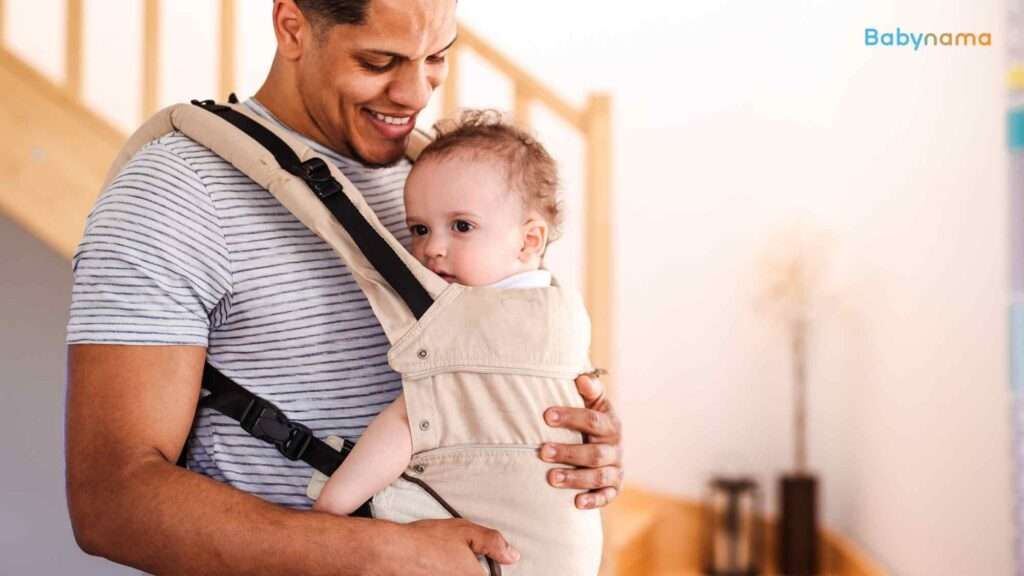
Why Baby Carriers Are Considered Safe (When Used Properly)
Baby carriers mimic the natural position of being held in your arms. Benefits include:
- Supports healthy hip development - M-position keeps hips in natural alignment
- Promotes bonding - Skin-to-skin contact, closeness to parent
- Reduces crying - Carried babies tend to cry less
- Hands-free convenience - You can do household tasks
- Better for baby’s development - Movement stimulation, social interaction
Traditional vs Modern:
Indian mothers have carried babies for centuries using pallu, cloth wraps, or simple slings. Modern carriers (like structured carriers, ring slings) are just more ergonomic versions of the same concept!
Choosing the Right Carrier by Age
| Baby’s Age | Weight | Recommended Carrier Type | Key Features Needed |
|---|---|---|---|
| 0-4 months | 3-6 kg | Wrap carrier, ring sling | Head/neck support, snug fit |
| 4-6 months | 5-8 kg | Soft structured carrier (SSC) | M-position, adjustable |
| 6-12 months | 6-10 kg | SSC, Meh Dai | Good hip support, breathable |
| 12+ months | 8-12+ kg | Toddler carrier, hip seat | Back carry option, lumbar support |
The Correct “M” Position
The most important thing for comfort and hip health is the M-position (also called frog position):
What it looks like:
- Baby’s knees are HIGHER than their bottom
- Thighs are spread around parent’s body
- Legs form an “M” shape when viewed from front
- Bottom is the lowest point (like sitting in a hammock)
Why it matters:
- Prevents hip dysplasia
- Distributes baby’s weight evenly
- More comfortable for both parent and baby
- Allows natural spine curvature
Signs Your Baby Is Uncomfortable
Watch for these during and after carrier use:
Immediate Discomfort Signs:
- Crying or fussiness when placed in carrier
- Arching back or pushing away
- Red marks on skin from straps
- Legs dangling straight down (wrong position)
- Chin tucked too far into chest
- Overheating (sweaty, flushed)
After Carrier Use:
- Red pressure marks that don’t fade quickly
- Stiff or sore movements
- Reluctance to be carried again
- Unusual crying when hips/legs are touched
When to Worry (Red Flags)
🚨 Take your baby out of the carrier immediately and call 112 (national emergency) or 108 (ambulance) / go to the nearest hospital if you notice:
- Breathing that seems labored, restricted, noisy, or struggled
- Blue or grey coloring of the lips, face, hands, or feet
- Baby becomes limp, floppy, or unresponsive
Contact your pediatrician promptly if you notice:
- Persistent hip clicking or popping sounds
- Asymmetrical leg movement after carrier use
- Skin rashes or persistent red marks
- Baby consistently refuses carrier despite correct use
- Any signs of hip dysplasia (legs of different lengths, uneven skin folds)
- Pale coloring of hands/feet that does not quickly return to normal after removing baby from the carrier
Safe Babywearing Guidelines (T.I.C.K.S.)
Follow the T.I.C.K.S. rule for safe carrying:
| Letter | Meaning | What to Check |
|---|---|---|
| T | Tight | Carrier snug, baby close to your body |
| I | In view | You can always see baby’s face |
| C | Close enough to kiss | Baby’s head near your chin |
| K | Keep chin off chest | Space for 2 fingers under baby’s chin |
| S | Supported back | Natural curved spine, not slumped |
Common Carrier Problems and Solutions
Problem: Baby cries when put in carrier
- Solution: Try when baby is calm and fed, not overtired
- Walk around while settling baby
- Face baby towards you initially for security
Problem: Baby overheats (common in Indian climate)
- Solution: Use breathable, cotton carriers
- Dress baby lightly (one layer less than you)
- Avoid carriers with heavy padding
- Carry during cooler parts of day
Problem: Legs seem cramped or dangling
- Solution: Adjust carrier width for proper M-position
- Use a carrier appropriate for baby’s size
- Check that knees are at or above hip level
Problem: Parent has back pain
- Solution: Tighten waist belt, position it at natural waist
- Distribute weight evenly with chest clip
- Switch between front and back carry
- Build up carrying duration gradually
Problem: Baby keeps falling asleep with chin on chest
- Solution: Reposition immediately - this blocks airway
- Ensure baby’s face is visible at all times
- Use one hand to support baby’s back/head when sleeping
Age-Specific Tips
Newborn (0-3 months):
- Use carriers with head support or insert
- Keep baby facing inward (towards your chest)
- Frequent position checks - neck can’t support head yet
- Limit carrying duration to 1-2 hours initially
4-6 months:
- Baby can hold head steady
- Still face inward for safety
- Can use structured carriers
- Longer carrying periods okay
6-12 months:
- Can try forward-facing carry for short periods
- Back carrying becomes an option
- Baby will be more active - ensure secure fit
- May need to adjust carrier as baby grows
Toddler (12+ months):
- Back carry most comfortable for parent
- Hip seat carriers can work well
- Heavier babies need carriers with better weight distribution
- Front carry still okay for shorter periods
What You Can Do
Before Buying:
- Research carrier types and choose one appropriate for baby’s age
- Look for ergonomic design with M-position support
- Check for breathable fabric (important in Indian climate)
- Read reviews from other Indian parents
When Using:
- Practice first with someone to help
- Watch online tutorials for your specific carrier
- Start with short periods and increase gradually
- Always do a safety check before activities
Regular Checks:
- Inspect carrier for wear and tear
- Ensure buckles and straps work properly
- Check baby’s position every 15-20 minutes
- Remove baby if they seem uncomfortable
Frequently Asked Questions
Q: Can baby carrier affect my baby’s spine or back development?
A: Not when used correctly! An ergonomic carrier that maintains the natural C-curve of baby’s spine and M-position of legs actually supports healthy development. Problems only occur with carriers that force baby into unnatural positions (legs dangling, spine too straight). Traditional Indian baby-carrying has been done safely for generations.
Q: How long can I safely carry my baby in a carrier?
A: For newborns, start with 30-60 minutes and gradually increase. By 3-6 months, most babies are comfortable for 2-3 hours. Take breaks to change positions, allow movement, and check baby’s condition. There’s no strict time limit, but watch for signs of discomfort. Many parents carry babies for several hours daily without issues.
Q: My baby’s legs turn red after using the carrier - is this normal?
A: Light, temporary pink marks are common and usually fade within minutes. However, deep red marks, welts, or marks that persist suggest too much pressure. Adjust the carrier width, check leg positioning, and ensure the fabric isn’t cutting into thighs. If marks persist, try a different carrier.
Q: At what age can I use forward-facing carry?
A: Wait until baby has good head and neck control - usually around 5-6 months. Even then, limit forward-facing to short periods (20-30 minutes) as baby can get overstimulated. Inward-facing remains safer and more comfortable for longer carrying. Always ensure good hip support in any position.
Q: Is it safe to use carrier while cooking or doing housework?
A: Avoid carrying baby near heat sources, sharp objects, or during activities where you could fall. Safe activities include: light housework, walking, shopping, feeding other children. Unsafe: cooking at stove, using hot appliances, climbing stairs frequently, heavy lifting.
Q: Which carrier is best for Indian summer heat?
A: Look for:
- 100% cotton or breathable mesh panels
- Light colors that don’t absorb heat
- Ring slings or wrap carriers (less padding)
- Carriers without heavy inserts
- SSCs with breathable back panels
Avoid heavy padding, dark colors, and synthetic materials. Consider a simple cotton wrap or traditional-style carrier in peak summer.
General information for Indian parents, not a substitute for your pediatrician. In an emergency, call 112 or 108.
This article was reviewed by Babynama Pediatricians. Last updated: January 2025
Need personalized guidance? Book a consultation with our pediatricians or explore our Care Plans for 24/7 expert support!
Continue with this topic
A useful next step
Browse child-development articlesExplore milestones, movement, speech, behaviour and learning across childhood.Have a question about your little one?
Join our free community for live Q&A with MD pediatricians — no cost to join.
Join the free community