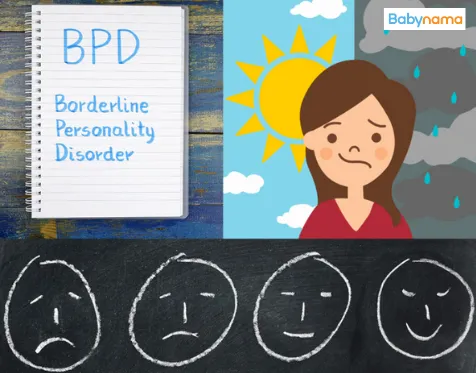
Quick Answer
Mood swings, tantrums, and emotional outbursts are common and usually a typical part of growing up - this is NOT BPD. Borderline Personality Disorder (BPD) is a serious mental health condition that is very rarely diagnosed in children. It is primarily an adult condition, though some traits may appear in adolescence. If you’re worried about your child’s emotional behavior, most cases are typical developmental phases or other treatable conditions.
🚨 If your child or teen is talking about suicide, self-harm, or is in immediate danger, this is an emergency. Call 112 (national emergency) or 108 (ambulance), or go to the nearest hospital. You can also reach Tele-MANAS, the Government of India mental health helpline, at 14416 or 1-800-891-4416 (24x7).
Why This Happens (Important Context)
First, let’s be clear: BPD diagnosis in children is controversial and uncommon. What many parents see as concerning behavior is usually:
- Normal developmental phases - Toddler tantrums, teenage mood swings
- Other conditions - ADHD, anxiety, depression, trauma responses
- Temperament variations - Some children are naturally more intense What BPD actually is:
A pattern of unstable emotions, relationships, and self-image that significantly impairs daily functioning. It typically develops in late adolescence or early adulthood.
Risk factors (in adolescents):
- Childhood trauma, abuse, or neglect
- Unstable family environment
- Family history of mental health conditions
- Genetics plays a role Age considerations:
| Age | What’s Typically Normal | What May Need Evaluation |
|---|---|---|
| Toddlers (2-4) | Intense tantrums, mood swings, saying “I hate you” | Typically expected at this age |
| Children (5-11) | Some emotional outbursts, occasional defiance | Usually normal; consider anxiety/ADHD if severe |
| Preteens (11-13) | Mood changes, sensitivity, identity exploration | Normal puberty; evaluate if self-harm occurs |
| Teenagers (13-18) | Emotional intensity, relationship drama | May warrant evaluation if persistent, severe patterns |
When to Worry (Red Flags)
Seek professional help if your child/teen shows these patterns consistently over months:
- Self-harm - Cutting, burning, or hurting themselves intentionally
- Suicidal thoughts or attempts - Any mention should be taken seriously
- Extreme fear of abandonment - Panic when parent leaves, even briefly
- Very unstable relationships - Best friend one day, worst enemy the next
- Identity confusion - Dramatically changing personality, values, appearance
- Chronic emptiness - Feeling “hollow inside” consistently
- Intense, inappropriate anger - Rage disproportionate to situation
- Impulsive dangerous behavior - Risky actions without thinking of consequences IMPORTANT: If your child mentions self-harm or suicide, or has hurt themselves, treat it as an emergency. 🚨 Call 112 (national emergency) or 108 (ambulance), or go to the nearest hospital. For mental health support, call Tele-MANAS at 14416 or 1-800-891-4416 (24x7). Do not leave the child alone, and remove access to medicines, sharp objects, and other harmful items.
What You Can Do
For All Children (Supporting Emotional Development)
1. Validate Emotions (Bhavnaaon Ko Samjhein)
-
“I can see you’re really angry/sad”
-
Don’t dismiss feelings as “drama”
-
Help name emotions 2. Create Stability
-
Consistent routines help children feel secure
-
Predictable responses to behavior
-
Regular family time 3. Model Emotional Regulation
-
Show how you manage your own emotions
-
“I’m feeling frustrated, so I’m going to take deep breaths”
-
Apologize when you lose your temper 4. Good Sleep Habits (Neend Ki Aadat)
-
Poor sleep worsens emotional regulation
-
Consistent bedtime routine
-
Adequate sleep hours for age 5. Reduce Stress
-
Limit over-scheduling
-
Family time without screens
-
Physical activity daily
For Teenagers Showing Concerning Patterns
- Don’t dismiss concerns - Take emotional distress seriously
- Keep communication open - Non-judgmental listening
- Seek professional help early - Therapist, counselor, psychiatrist
- Learn about DBT - Dialectical Behavior Therapy is very effective
- Remove access to harmful items - If self-harm is a concern
- Don’t blame yourself or them - Mental health conditions aren’t anyone’s “fault”
Treatment Options (If Needed)
Psychotherapy is the main treatment:
| Therapy Type | What It Does |
|---|---|
| DBT (Dialectical Behavior Therapy) | Gold standard for emotional regulation, interpersonal skills |
| CBT (Cognitive Behavioral Therapy) | Helps change unhelpful thought patterns |
| Family Therapy | Improves family communication and support |
| Group Therapy | Skills building with peer support |
Medication:
-
No specific medication for BPD
-
May help with specific symptoms (depression, anxiety, mood swings)
-
Should be prescribed by child psychiatrist Prognosis:
-
With treatment, many adolescents improve significantly
-
Early intervention leads to better outcomes
-
Most people with BPD lead fulfilling lives with proper support
Frequently Asked Questions
Q: Mera teenager bahut emotional hai aur mood swings hote hain. Kya yeh BPD hai?
A: Probably not! Teenage mood swings are extremely common due to hormonal changes and brain development. BPD involves much more severe patterns - fear of abandonment, self-harm, very unstable relationships, identity confusion. If you’re concerned, consult a mental health professional for proper evaluation. Don’t jump to BPD diagnosis - anxiety, depression, and ADHD are much more common.
Q: Bachchi raat ko bahut roti hai aur sone nahi deti. Kya mental health issue hai?
A: In young children, night crying and sleep problems are usually NOT mental health issues. Common causes include: separation anxiety (normal phase), nightmares, sleep schedule issues, or physical discomfort. Try consistent bedtime routine, comfort objects, and addressing any fears. If extremely severe and persistent, consult your pediatrician first.
Q: Mera bachcha kehta hai “I wish I was dead” - kya seriously lun?
A: YES, always take such statements seriously. In young children, it may not mean suicidal intent - they may not fully understand death. But it signals distress. Have a calm conversation: “That sounds like you’re really upset. Can you tell me more?” If your child is older (preteen/teen), or if there is any mention of a plan, self-harm, or intent, treat it as an emergency: 🚨 call 112 (national emergency) or 108 (ambulance), or go to the nearest hospital, and call Tele-MANAS at 14416 / 1-800-891-4416 (24x7). Never dismiss such statements.
Q: Family mein mental health issues hain. Kya mere bachche ko bhi hoga?
A: Family history increases risk but doesn’t guarantee anything. Most children with family history of mental health conditions do NOT develop them. Protective factors include: stable home environment, strong relationships, early intervention for any concerns, and teaching coping skills. Focus on creating a supportive environment rather than worrying about what might happen.
Q: Therapy India mein available hai?
A: Yes! Mental health services are expanding in India. Options include: government hospital psychiatric departments, private child psychiatrists/psychologists, online therapy platforms (Amaha, YourDost, BetterLYF), and school counselors. Many therapists now offer video consultations. Stigma is reducing - seeking help is the right choice.
This article was reviewed by Babynama Pediatricians. Last updated: January 2025
General information for Indian parents, not a substitute for your pediatrician. In an emergency, call 112 or 108.
Worried about your child’s emotional wellbeing? Babynama’s pediatricians can help assess whether your concerns warrant specialist referral and guide you on next steps. Chat with us on WhatsApp.
Need personalized guidance? Book a consultation with our pediatricians or explore our Care Plans for 24/7 expert support!
Continue with this topic
A useful next step
Browse child-development articlesExplore milestones, movement, speech, behaviour and learning across childhood.Have a question about your little one?
Join our free community for live Q&A with MD pediatricians — no cost to join.
Join the free community