Quick Answer
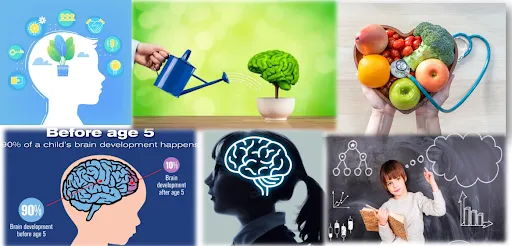
Yes, food significantly impacts your child’s brain development! 90% of brain development happens in the first 5 years of life. The good news is that brain-boosting foods are common, affordable, and available in every Indian kitchen - no expensive supplements needed. A balanced diet with proteins, healthy fats, and colorful fruits/vegetables supports your child’s brain development - alongside sleep, play, and a loving environment.
Why This Matters (Dimag Ke Liye Khaana Kyun Zaroori)
Amazing brain facts:
- The brain uses a very large share of a young child’s energy - far more than its small size suggests
- About 90% of brain growth occurs by age 5
- The brain is called “bhookha organ” - always hungry for nutrients!
- What your child eats TODAY affects their thinking TOMORROW Key nutrients for brain development:
| Nutrient | What It Does | Found In |
|---|---|---|
| Omega-3 fatty acids | Memory, learning, focus | Walnuts, flaxseeds, fish |
| Iron | Oxygen to brain, concentration | Green leafy veggies, jaggery, eggs |
| Choline | Memory, brain signaling | Eggs, paneer, soybeans |
| Protein | Brain cell building | Dal, eggs, milk, paneer |
| Iodine | Brain development | Iodized salt, dairy, fish |
| Zinc | Memory, thinking ability | Nuts, seeds, whole grains |
| B Vitamins | Mood, mental performance | Whole grains, eggs, vegetables |
What You Can Do (Brain Foods - Indian Kitchen)
Top Brain Foods (Dimag Ke Liye Sabse Achha)
1. Eggs (Ande)
-
Excellent source of choline, protein, B12
-
Give daily - boiled, scrambled, or in paratha
-
Even the yolk is important - don’t skip it! 2. Dahi/Yogurt
-
Contains iodine, zinc, B12, protein
-
Probiotics support gut-brain connection
-
Give plain dahi - not sweetened 3. Green Leafy Vegetables (Hari Sabziyan)
-
Palak, methi, sarson contain folate, iron, Vitamin K
-
Hide in parathas, rotis, or mix in dal if picky eater
-
Even small amounts help! 4. Nuts and Seeds (Dry Fruits)
-
Walnuts (akhrot) - best for omega-3
-
Almonds (badam) - memory booster
-
Flaxseeds (alsi) - plant omega-3
-
Give as snacks or in milk 5. Whole Grains
-
Oats, whole wheat, ragi, bajra
-
Provide steady energy to brain
-
Better than maida products 6. Colorful Vegetables
-
Carrots, tomatoes, sweet potato, pumpkin
-
Different colors = different nutrients
-
Aim for rainbow on plate 7. Fruits
-
Banana - easy energy
-
Berries - antioxidants
-
Apple, oranges, mango - vitamins
-
Seasonal fruits are best 8. Dal and Beans
-
Protein, iron, complex carbs
-
All varieties are good
-
Foundation of Indian diet - perfect!
Age-Specific Recommendations
| Age | Key Focus | Foods to Include |
|---|---|---|
| 0-6 months | Breast milk/formula only | Breast milk has perfect brain nutrients! |
| 6-12 months | First foods | Dal water, mashed egg yolk, ragi porridge, fruit purees |
| 1-2 years | Building variety | Whole eggs, dahi, soft roti, khichdi, mashed veggies |
| 2-5 years | Brain growth peak | All brain foods, focus on iron and protein |
| 5+ years | Learning years | Balanced meals, protein breakfast, healthy snacks |
Sample Brain-Boosting Menu
Breakfast (Nashta):
-
Option 1: Egg paratha + glass of milk
-
Option 2: Poha with peanuts + banana
-
Option 3: Oats upma with vegetables + dahi Lunch (Dopahar ka khana):
-
Roti/rice + dal + sabzi + dahi Snacks:
-
Handful of nuts (3-4 pieces)
-
Fresh fruit
-
Homemade besan ladoo Dinner (Raat ka khana):
-
Light meal - khichdi, daliya, or roti-sabzi
-
Include protein
When to Worry (Red Flags)
Consult pediatrician if:
-
Child is extremely picky and eating only 2-3 foods
-
Significant weight loss or poor growth
-
Developmental delays noticed
-
Always tired, low energy despite sleeping well
-
Learning difficulties at school
-
Hair loss, pale skin (could indicate nutritional deficiency) NOT a worry:
-
Child goes through phases of eating less
-
Refuses one particular food
-
Prefers certain textures
-
Eats well some days, less on others
Brain Development Beyond Food
Equally important:
1. Sleep (Neend)
-
Brain processes learning during sleep
-
Growth hormone released during deep sleep
-
Poor sleep = poor concentration next day
-
If baby raat ko jagta hai excessively, it can affect development 2. Hydration (Paani)
-
Brain is 75% water
-
Dehydration affects concentration
-
Give water, coconut water, buttermilk 3. Physical Activity
-
Exercise improves blood flow to brain
-
Outdoor play is brain food!
-
Limit screen time 4. Stimulation
-
Reading, talking, playing
-
Music, puzzles, creative activities
-
Love and attention matter most!
Frequently Asked Questions
Q: Kya supplements dene chahiye dimag ke liye?
A: Food first! Most children don’t need supplements if eating a balanced diet. Omega-3 supplements can help if child doesn’t eat fish or nuts. DHA/EPA supplements are available for vegetarians. Always consult doctor before starting any supplement. Don’t fall for “memory tonic” marketing - most are unnecessary.
Q: Mera bachcha sirf 3-4 cheezein khata hai. Dimag pe asar hoga?
A: Picky eating is very common in toddlers and usually a phase. If those 3-4 foods include protein (milk, eggs, dal) and some fruits/vegetables, brain development should be fine. Keep offering variety without pressure. If extremely limited diet continues beyond age 5 or growth is affected, consult a pediatrician.
Q: Badam ka doodh roz dena chahiye?
A: Badam (almond) is good but not magical! A few almonds daily is beneficial, but not necessary to give daily. Variety is better than relying on one “superfood.” Walnuts are actually better for omega-3. Don’t stress about any single food - overall diet matters more.
Q: Neend kam hone se dimag pe asar padta hai kya?
A: Yes! Sleep is crucial for brain development and learning. During sleep, brain consolidates memories and removes toxins. As a rough guide, children need: around 14-17 hours (newborn), 12-16 hours (infant 4-12 months), 11-14 hours (toddler 1-2 years), 10-13 hours (preschool 3-5 years), and 9-12 hours (school-age 6-12 years), including naps. Newborn sleep varies widely, so don’t worry about an exact number. If raat ko bahut jagta hai, address sleep issues - they’re important for development.
Q: Non-veg nahi khilate - kya dimag ke liye problem hogi?
A: Not at all! Vegetarian diet can provide all brain nutrients. Ensure adequate: eggs (if you eat), milk/dahi, paneer, dal/beans, nuts (especially walnuts), flaxseeds/chia seeds. Vegetarian children in India grow and develop perfectly well. B12 supplement may be needed if strictly vegan.
This article was reviewed by Babynama Pediatricians. Last updated: January 2025
General information for Indian parents, not a substitute for your pediatrician. In an emergency, call 112 or 108.
Worried about your child’s nutrition or development? Babynama’s pediatricians can review your child’s diet and provide personalized recommendations. Chat with us on WhatsApp!
Need personalized guidance? Book a consultation with our pediatricians or explore our Care Plans for 24/7 expert support!
Related Tools
Continue with this topic
A useful next step
Browse child-development articlesExplore milestones, movement, speech, behaviour and learning across childhood.Have a question about your little one?
Join our free community for live Q&A with MD pediatricians — no cost to join.
Join the free community