Quick Answer
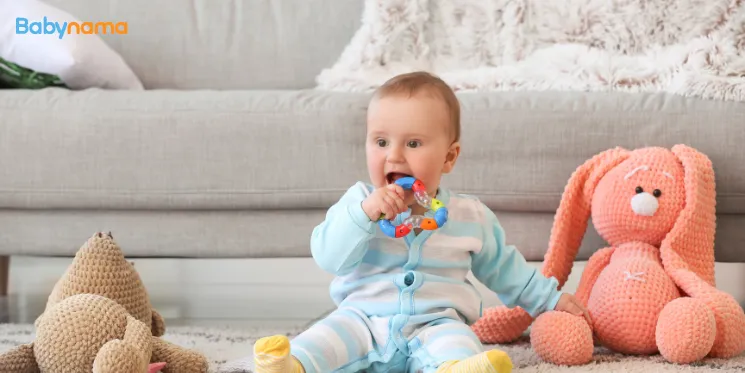
Your baby doesn’t need expensive toys - YOU are their best toy for the first several months! Babies learn through interaction with you first, then gradually become interested in objects around them. Simple, safe items often engage babies more than expensive electronic toys. Understanding what’s appropriate for each age helps you choose toys that support development.
Why Simple Toys are Better
What Babies Really Need:
-
Your face (most fascinating thing!)
-
Your voice and touch
-
Safe objects to explore
-
Opportunity to practice skills
-
Freedom to play at their pace Avoid Over-Stimulation:
-
One or two toys at a time
-
Quiet toys over noisy ones
-
Simple over complicated
-
Natural materials when possible
-
Safety always first
Best Toys by Age
Newborn to 2 Months
What Baby Can Do:
- See only 8-12 inches away
- Prefer high contrast
- Track slowly moving objects
- Turn toward sounds Best “Toys”:
| Toy | Why It Works |
|---|---|
| Your face | Most engaging thing possible |
| High contrast cards | Black/white patterns visible |
| Simple mobile | Movement catches attention |
| Soft rattle (held by adult) | Introduces sounds |
| Playmat | Safe place for floor time |
DIY Options:
- Black and white printed patterns
- Simple drawings on white paper
- Your expressions and voice
3-4 Months
What Baby Can Do:
- Better vision, sees colors
- Starts grasping
- Follows objects with eyes
- Brings hands to mouth
- Likes to kick Best Toys:
| Toy | Why It Works |
|---|---|
| Soft rattles | Can grasp, makes sound |
| Board books | Safe to mouth, simple pictures |
| Baby-safe mirror | Fascinated by faces |
| Playmat with arches | Encourages reaching |
| Textured toys | Different feels to explore |
4-6 Months
What Baby Can Do:
- Reaches for objects
- Transfers toys between hands
- Everything goes in mouth
- Rolls over
- Sits with support Best Toys:
| Toy | Why It Works |
|---|---|
| Teething toys | Safe to chew, soothes gums |
| Soft blocks | Easy to grab, gentle to handle |
| Cause-effect toys | Press = sound teaches action |
| Activity center | Lots to explore |
| Soft balls | Easy to hold, roll |
6-9 Months
What Baby Can Do:
- Sits independently
- May start crawling
- Bangs toys together
- Looks for dropped objects
- Responds to name Best Toys:
| Toy | Why It Works |
|---|---|
| Stacking cups | Builds, knocks down |
| Simple puzzles | Object permanence |
| Push toys | Encourages crawling |
| Musical toys | Cause and effect |
| Soft dolls/animals | Early pretend play |
| Containers to fill/empty | Hours of fun! |
9-12 Months
What Baby Can Do:
- Cruises/maybe walking
- Picks up small objects
- Points at things
- Understands words
- Imitates actions Best Toys:
| Toy | Why It Works |
|---|---|
| Shape sorters | Problem solving |
| Push/pull toys | Encourages walking |
| Nesting toys | Size concepts |
| Simple instruments | Drums, shakers |
| Board books | Can turn pages |
| Balls | Roll, throw, chase |
After 1 Year
Emerging Skills:
-
Walking
-
More words
-
Simple pretend play
-
Following instructions
-
Fine motor improving Best Toys:
-
Ride-on toys
-
Play kitchen items
-
Crayons and paper
-
Simple puzzles
-
Building blocks
-
Pretend play items
Safety First
Toy Safety Checklist:
- No small parts (choking hazard)
- No sharp edges
- Non-toxic materials
- No strings longer than 6 inches
- Age-appropriate
- BIS certified/quality brands
- Check for loose parts Choking Test:
If it fits through a toilet paper roll, it’s a choking hazard for babies.
Indian Budget-Friendly Options
Household Items (Safe to Play With):
| Item | Age | Learning |
|---|---|---|
| Steel katoris/spoons | 6+ months | Banging, exploring |
| Plastic containers | 6+ months | Open/close, stacking |
| Cardboard boxes | 6+ months | Exploring, hiding |
| Wooden spoon | 6+ months | Grasping, banging |
| Soft dupatta | 3+ months | Peekaboo |
| Empty dabba with lid | 9+ months | Problem solving |
Traditional Indian Toys:
- Wooden rattles
- Cloth dolls
- Wooden blocks
- Gilli-danda (older children)
- Lattu (spinning top) - for older kids
When to Worry (Red Flags)
Consult pediatrician if:
- No interest in toys/surroundings by 4 months
- Not reaching for objects by 6 months
- Not playing peekaboo by 9 months
- Not pointing by 12 months
- No pretend play by 18 months
- Plays with toys in unusual ways only Note: All babies develop differently - some prefer certain toys over others. Concern is about overall engagement and development.
What You Can Do
Create a Play Environment:
-
Safe floor space for play
-
Age-appropriate toys accessible
-
Rotate toys to maintain interest
-
Join play sessions
-
Let baby lead sometimes Playing Together:
-
Get down on baby’s level
-
Narrate what they’re doing
-
Respond to their cues
-
Keep sessions short
-
Make it fun, not work Toy Storage Tips:
-
Keep few toys out, rest in rotation
-
Store in easy-to-access bins
-
Clean toys regularly
-
Check for wear and tear
-
Donate outgrown toys
Frequently Asked Questions
Q: Expensive electronic toys better hain kya development ke liye?
A: No! Simple toys often work better. Expensive electronic toys do the work FOR the baby - they just watch. Simple toys make the baby think and act. A stacking cup that the baby must figure out teaches more than a button that plays music automatically. Interaction with you matters more than any toy!
Q: Mera baby sirf dabbe aur spoons se khelta hai, toys nahi - is this okay?
A: This is very common and actually wonderful! Household items like containers, wooden spoons, and boxes are excellent “toys” - they teach cause-effect, problem-solving, and exploration. Your baby is showing curiosity and creativity. As long as items are safe (no sharp edges, no small parts, clean), let them explore! Sometimes the box IS more interesting than the toy inside.
Q: How many toys does a baby really need?
A: Less than you think! A few quality, age-appropriate toys are better than many. Too many toys can overwhelm babies. Keep 3-5 toys accessible and rotate weekly. Include: something to grasp, something to mouth, something that makes sound, and something soft. Your interaction matters more than number of toys.
Q: At what age do babies actually start playing with toys?
A: Babies interact with toys differently at each age. Newborns mainly look at high contrast items. By 3-4 months, they start grasping. By 6 months, they manipulate toys. By 9-12 months, they use toys purposefully. Before 6 months, YOU are the best “toy” - your face, voice, and interaction!
Q: Screen time/tablet apps toys ki jagah use kar sakte hain?
A: No, screens are not recommended for babies under 18-24 months. Screen time does NOT provide the same benefits as physical play. Babies learn through: touching, mouthing, moving, and human interaction - things screens can’t provide. A simple rattle teaches more than a tablet app for babies.
This article was reviewed by Babynama Pediatricians. Last updated: January 2025
Need personalized guidance? Book a consultation with our pediatricians or explore our Care Plans for 24/7 expert support!
General information for Indian parents, not a substitute for your pediatrician. In an emergency, call 112 or 108.
Continue with this topic
A useful next step
Browse child-development articlesExplore milestones, movement, speech, behaviour and learning across childhood.Have a question about your little one?
Join our free community for live Q&A with MD pediatricians — no cost to join.
Join the free community