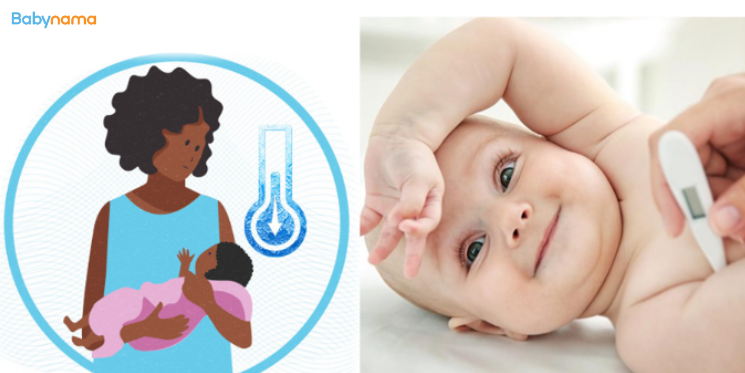
Low Body Temperature in Babies: When to Worry
Quick Answer: Normal baby temperature is 36.5-37.5°C (97.7-99.5°F). A temperature below 36.5°C (97.7°F) is considered low. For newborns, this can be serious and needs attention. Common causes include being underdressed, cold environment, or illness. Warm your baby skin-to-skin and recheck in 15-20 minutes. If temperature stays low or baby seems unwell, seek medical care immediately.
What Is Normal Baby Temperature?
| Reading | Meaning |
|---|---|
| 36.5-37.5°C (97.7-99.5°F) | Normal |
| Below 36.5°C (97.7°F) | Low (hypothermia) |
| Above 37.5°C (99.5°F) | Elevated |
| Above 38°C (100.4°F) | Fever |
Where to Measure
| Method | Normal Range | Best For |
|---|---|---|
| Rectal (most accurate) | 36.6-38°C | Babies under 3 months |
| Armpit (axillary) | 36.5-37.5°C | Quick check, add 0.5°C |
| Ear (tympanic) | 36.4-38°C | Babies over 6 months |
| Forehead (temporal) | 36.5-37.5°C | Quick screening |
Important: Rectal temperature is most accurate for babies, especially newborns. Armpit readings are typically 0.5°C lower than actual body temperature.
Why Do Babies Get Cold Easily?
Babies are vulnerable to temperature drops because:
| Factor | Why It Matters |
|---|---|
| Large head | Babies lose heat quickly through their head |
| Small body mass | Less able to generate and retain heat |
| Thin skin | Less insulation |
| Immature temperature control | Brain’s thermostat isn’t fully developed |
| Limited movement | Can’t shiver effectively to warm up |
Newborns Are Most at Risk
In the first few weeks, babies cannot regulate temperature well. This is why:
- Skin-to-skin contact is encouraged after birth
- Hospitals keep delivery rooms warm
- Newborns need careful monitoring
Common Causes of Low Temperature
Environmental Causes (Most Common)
| Cause | Solution |
|---|---|
| Cold room | Keep room at 20-22°C (68-72°F) |
| Wet clothes/diaper | Change immediately |
| After bath | Dry quickly, warm room |
| Underdressed | Add layers, cover head |
| Air conditioning | Dress appropriately, avoid direct drafts |
Medical Causes
| Cause | Other Signs |
|---|---|
| Infection (sepsis) | Lethargy, poor feeding, fever may follow |
| Low blood sugar | Jitteriness, poor feeding, lethargy |
| Prematurity | Born before 37 weeks |
| Thyroid problems | Prolonged jaundice, constipation |
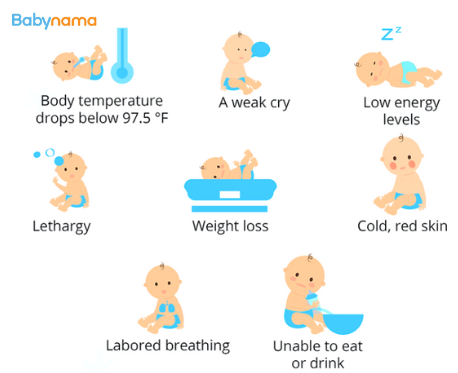
Signs Your Baby Is Too Cold
Watch for these warning signs:
Early Signs
- Cool hands and feet (can be normal, check chest)
- Skin feels cool to touch (check tummy or back)
- Pale or mottled skin
- Less active than usual
Serious Signs (Seek Help)
- Chest or back feels cold
- Refusing to feed
- Weak cry
- Unusual sleepiness
- Skin looks blue or gray
- Slow, shallow breathing
What to Do If Baby’s Temperature Is Low
Immediate Steps
- Move to warm room (20-22°C)
- Remove wet clothes if any
- Skin-to-skin contact - Place baby against your bare chest, cover both of you
- Add layers - Warm clothes, hat, blanket
- Recheck temperature in 15-20 minutes
How to Warm Baby Safely
| Do | Don’t |
|---|---|
| Skin-to-skin (kangaroo care) | Hot water bottles (burn risk) |
| Warm hat and socks | Electric blankets |
| Extra blanket layer | Heating pads |
| Warm the room | Overheating |
| Breastfeed (warmth + calories) | Rubbing limbs vigorously |
Best method: Skin-to-skin contact is the safest and most effective way to warm a cold baby.
When to Seek Medical Help
Call Your Doctor If:
- Temperature stays below 36.5°C despite warming efforts
- Baby under 3 months with any low temperature
- Baby seems unwell (not feeding, very sleepy, floppy)
- Temperature keeps dropping
Go to Emergency If:
- Temperature below 35°C (95°F) - severe hypothermia
- Baby is limp or unresponsive
- Skin looks blue, gray, or mottled
- Not breathing normally
- Won’t feed at all
- Signs of infection (also may have fever)
Preventing Low Temperature
Room Temperature
- Keep baby’s room at 20-22°C (68-72°F)
- Use room thermometer to check
- Avoid drafts near baby’s sleep area
Dressing Baby
| Temperature | What to Dress |
|---|---|
| Above 24°C | Light onesie |
| 20-24°C | Onesie + light sleep sack |
| 16-20°C | Onesie + warm sleep sack |
| Below 16°C | Layers + warm sleep sack + hat indoors |
General Rule
Baby needs one more layer than you do to feel comfortable.
After Bath
- Prepare warm room before undressing
- Have towel and clothes ready
- Dry quickly and thoroughly
- Dress immediately
- Skip bath on very cold days if baby is unwell
Low Temperature vs Fever: Both Matter
| Low Temperature | Fever |
|---|---|
| Below 36.5°C | Above 38°C |
| Can indicate infection in newborns | Also indicates infection |
| Warm the baby | Manage fever, don’t overdress |
| Often overlooked | More commonly recognized |
Key point: In young babies, especially newborns, a LOW temperature can be just as concerning as a fever. Sick newborns often can’t mount a fever and may actually become cold instead.
Special Situations
Premature Babies
Preemies are at higher risk for low temperature:
- Less body fat for insulation
- More immature temperature regulation
- May need incubator care initially
- Monitor closely after discharge
During Illness
A sick baby may:
- Have trouble maintaining temperature
- Need extra warmth
- Show low temperature before developing fever
Winter/Cold Weather
- Don’t take newborns out in extreme cold
- Warm car before placing baby in car seat
- Use blanket over car seat (not under straps)
- Remove extra layers once indoors
Frequently Asked Questions
Q: My baby’s hands and feet are always cold. Is this low temperature?
A: Cold hands and feet can be normal! Babies have immature circulation. Check the chest or back - if warm, baby’s core temperature is fine. Cold hands/feet with cold chest needs attention.
Q: Should I wake my baby to check temperature?
A: Not routinely. If baby is sleeping peacefully, well-dressed, and the room is warm, they’re likely fine. Check if you have concerns or baby seems unwell.
Q: Can too many baths cause low temperature?
A: Frequent baths don’t directly cause hypothermia, but each bath is an opportunity for heat loss. In cold weather, bathe every 2-3 days. Always prepare warm room and dry quickly.
Q: Is low temperature in babies an emergency?
A: It depends. For newborns under 1 month, any low temperature should be evaluated by a doctor. For older babies, if warming efforts work and baby seems fine, it’s usually not urgent. When in doubt, call your pediatrician.
Q: My newborn has low temperature but seems fine. Should I worry?
A: Yes, take it seriously. Newborns can appear “fine” even when they’re getting sick. Warm the baby, recheck in 15-20 minutes, and if temperature doesn’t normalize or you have any concerns, seek medical care.
Key Takeaways
- Normal range is 36.5-37.5°C - Below this is considered low
- Newborns are high risk - Take low temperature seriously in first month
- Warm with skin-to-skin - Best and safest method
- Recheck in 15-20 minutes - Temperature should come up
- Seek help if concerned - Trust your instincts
- Prevention is key - Keep room warm, dress appropriately
This article was reviewed by pediatricians at Babynama. Last updated: January 2026
Need personalized guidance? Book a consultation with our pediatricians or explore our Care Plans for 24/7 expert support!