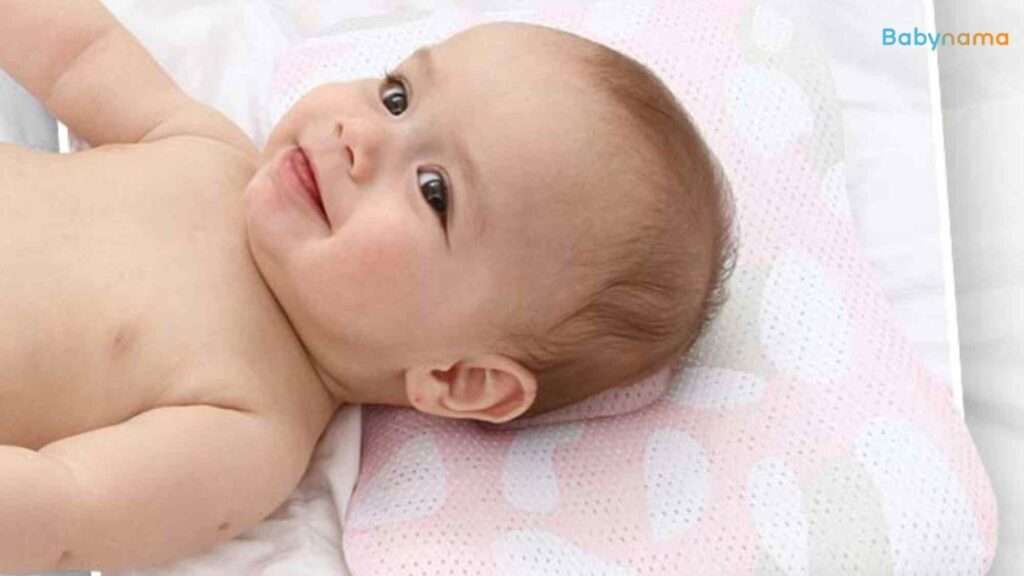
The Benefits of Using Sarso Ka Pillow for Infants
Quick Answer
Sarso ka pillow (mustard seed pillow) is a traditional Indian baby item that CAN be used with proper precautions, but modern safe sleep guidelines recommend no pillow for babies under 1 year. Many Indian families use rai ka takiya for head shaping and warmth, and it has cultural significance. However, safety must come first - if you choose to use one, understand both the benefits and risks so you can make an informed decision for your bachcha.
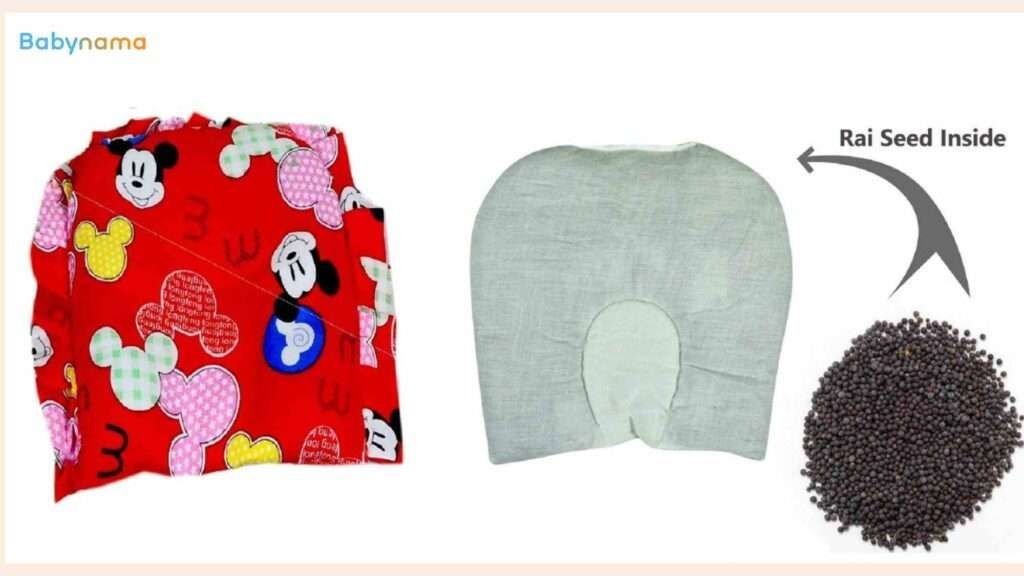
What Is Sarso Ka Pillow?
Traditional Baby Item
Sarso ka takiya is:
- Small pillow filled with mustard seeds (rai/sarson)
- Used in Indian households for generations
- Believed to help shape baby’s head
- Provides gentle warmth and support
- Part of traditional newborn care Also known as: Rai ka takiya, mustard seed pillow, sarson ki gaddi
Why Indian Families Use It
| Traditional Belief | Explanation |
|---|---|
| Head shaping | Seeds mold around head, promoting round shape |
| Warmth (garam) | Mustard seeds retain warmth |
| Comfort | Provides gentle cushioning |
| Natural & safe | No synthetic materials |
| Cultural practice | Passed down through generations |
Claimed Benefits
What Traditional Knowledge Says
Head shaping:
-
Baby’s skull is soft in first months
-
Seeds conform to head shape
-
May help achieve round head (gol sar)
-
Prevents flat spots from lying on hard surface Temperature regulation:
-
Mustard seeds naturally warm
-
Keeps baby’s head warm in winter
-
May help in air-conditioned rooms
-
Natural material breathes better Comfort:
-
Gentle support for newborn head
-
Familiar, soothing texture
-
May help with better sleep (acchi neend) Hypoallergenic:
-
Natural filling
-
Less likely to cause allergies
-
No synthetic chemicals
Modern Safety Perspective
What Doctors Say
Important safety considerations:
| Concern | Explanation |
|---|---|
| Suffocation risk | ANY pillow increases SIDS risk in babies under 1 year |
| Flat surface safest | AAP recommends firm, flat sleep surface |
| No soft items | No pillows, blankets, toys in sleep area for infants |
| Head shaping happens naturally | Most flat spots resolve on their own |
Modern pediatric recommendation: No pillows for babies under 12 months
Balancing Tradition and Safety
The reality:
-
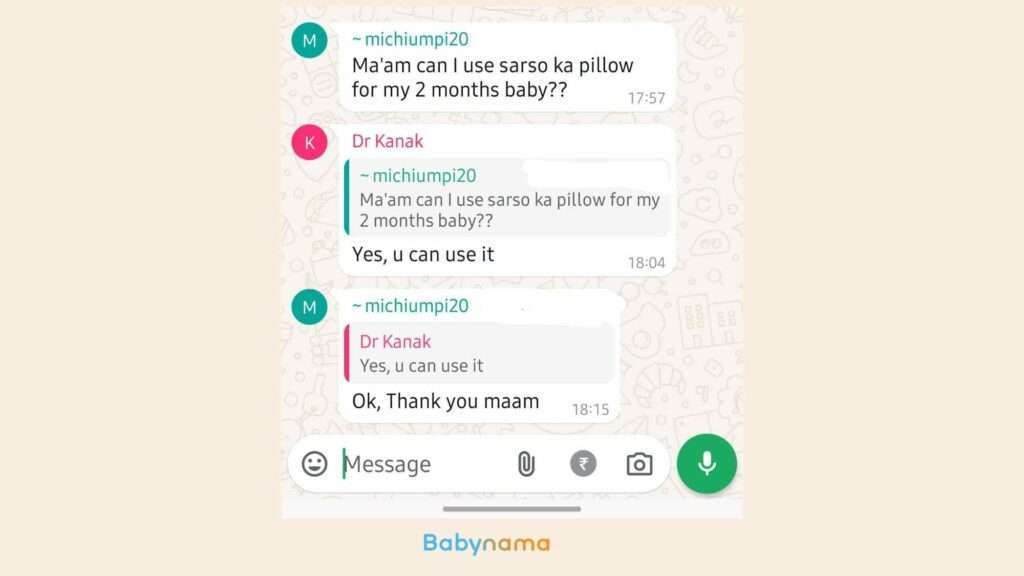
Millions of Indian babies have used sarso pillows safely
-
However, suffocation incidents do occur with pillows
-
Risk is higher when baby is unsupervised
-
Traditional practices can be adapted for safety
Safe Use Guidelines (If You Choose to Use)
When It May Be Okay
Supervised use only:
- During tummy time
- When baby is awake and watched
- For short periods only
- Never for unsupervised sleep
Safety Rules
| Do | Don’t |
|---|---|
| Use only when baby is awake | Use during unsupervised sleep |
| Keep thin (1-2 cm maximum) | Use thick, bulky pillows |
| Supervise at all times | Leave baby alone with pillow |
| Ensure snug muslin cover | Use loose covers |
| Sun-dry regularly | Use if damp or moldy |
| Stop if baby can roll | Continue past 3-4 months |
Making a Safe Sarso Pillow
If you want to use one:
- Keep it VERY thin (barely raised from surface)
- Use tight, breathable cotton cover
- Double-stitch the seams
- Make sure seeds can’t escape
- Sun-dry weekly to prevent moisture
- Replace if cover tears
Alternatives for Head Shaping
Safe Ways to Prevent Flat Head
Repositioning:
-
Alternate head direction in crib each night
-
Change which end of crib you place baby
-
Turn head gently while baby sleeps Tummy time:
-
Regular supervised tummy time
-
Reduces pressure on back of head
-
Strengthens neck muscles
-
Start from birth, few minutes at a time Holding positions:
-
Carry baby upright
-
Alternate arms when feeding
-
Hold facing different directions
-
Babywearing in carrier When awake:
-
Limit time in car seats, bouncers
-
Change positions frequently
-
Engage baby to look different directions
When Flat Spots Need Attention
See doctor if:
-
Significant flat spot by 4 months
-
Not improving with repositioning
-
Asymmetry of face/ears
-
Concerns about head shape Treatments if needed:
-
Physical therapy
-
Helmet therapy (for severe cases)
-
Specialist evaluation
Safe Sleep Summary
Current Recommendations (All Babies)
ABCs of safe sleep:
-
Alone - No co-sleeping with adults
-
Back - Always on back
-
Crib - In own sleep space Sleep surface should be:
-
Firm and flat
-
No pillows (including sarso pillow during sleep)
-
No loose blankets
-
No toys or bumpers
Indian Context
We understand:
-
Family traditions are important
-
Grandmother’s advice has value
-
Many generations used these safely
-
Cultural practices matter Our suggestion:
-
Use sarso pillow only during supervised awake time
-
For sleeping: flat, firm surface only
-
Combine tradition with modern safety knowledge
-
Discuss with your pediatrician
Other Traditional Baby Sleep Items
| Item | Traditional Use | Safety Note |
|---|---|---|
| Rai ka takiya | Head shaping | Only during supervised awake time |
| Til ka tel malish | Massage, warmth | Good before sleep, not during |
| Kajal | Protection | Avoid near eyes, not evidence-based |
| Swaddling | Comfort, sleep | Safe until baby can roll |
| Jhula (swing) | Soothing | Should not be for overnight sleep |
Frequently Asked Questions
Q: Sarso ka takiya safe hai baby ke liye?
A: With precautions, yes for supervised awake time. NOT recommended for unsupervised sleep. Modern safe sleep guidelines say no pillows for babies under 1 year due to suffocation risk. If you choose to use, keep it very thin, use tight cover, and ONLY when baby is awake and watched. Many families use successfully, but safety awareness is important.
Q: Baby ka sar flat ho raha hai. Kya karun?
A: Flat spots (positional plagiocephaly) are common and usually self-correct! Try: alternating head position when sleeping, supervised tummy time, holding baby upright, limiting time in car seat/bouncer. Most flat spots improve significantly by 6 months. If not improving by 4 months or very severe, see pediatrician. Helmet therapy is rarely needed. Sarso pillow won’t fix flat head better than repositioning.
Q: Newborn ke liye konsa pillow use karun?
A: Ideally, NO pillow for babies under 12 months. Current safe sleep guidelines recommend flat, firm surface only. If using sarso pillow, only during supervised awake time - never for sleep. After 1 year, a thin, firm pillow can be introduced. Focus on safe sleep over head shaping - flat spots resolve naturally in most babies.
Q: Daadi kehti hain sarso pillow zaroor use karo. Kya bolun?
A: Respect the wisdom but share safety information. Suggest: “Let’s use it when baby is awake and I’m watching, but not for sleeping alone.” Explain that baby pillows are linked to suffocation in some cases. Many grandparents understand when safety is explained. You can honor tradition during supervised times while following safe sleep for overnight.
Q: Sarso pillow kaise maintain karun?
A: Sun-dry regularly (every week in sun for few hours) to prevent moisture and mold. Check cover for tears - seeds should not be able to escape (choking hazard). Wash cover frequently. Replace if mustard seeds become clumpy or smell bad. Ensure cover is tight-fitting and secure. Store in dry place when not in use.
This article was reviewed by a pediatrician. Last updated: January 2025
Questions about your newborn’s sleep setup? Babynama’s pediatricians can help you balance tradition with safety. Chat with us on WhatsApp!
Need personalized guidance? Book a consultation with our pediatricians or explore our Care Plans for 24/7 expert support!
Want Better Sleep for Your Baby?
Our sleep training program helps babies and parents rest better.
Explore Sleep Training