
Quick Answer: The key is lowering your baby feet-first (not head-first) and keeping contact with your body until they’re fully on the mattress. Wait until baby is in deep sleep (limp limbs, relaxed face), lower slowly while maintaining warmth and pressure, and stay close for a moment after putting them down. The startle reflex causes most wake-ups, and these techniques help minimize it.
Understanding Why Babies Wake Up
That frustrating moment when your peacefully sleeping baby wakes the instant they touch the mattress has a scientific explanation.
The Moro (Startle) Reflex
| What It Is | What Happens |
|---|---|
| Primitive reflex present from birth | Baby feels like they’re falling |
| Triggered by sudden movement | Arms fling out, back arches |
| Fades around 3-6 months | Baby wakes up crying |
This reflex helped human babies survive by clinging to caregivers - but it makes putting babies down tricky!
Other Reasons Babies Wake
- Feeling the temperature change
- Losing the warmth and pressure of your body
- Sensing they’re no longer being held
- Being put down too soon (still in light sleep)
The Two-Step Method That Works
Step 1: Lower Feet First
Instead of lowering baby head-first or all at once:
- Hold baby close to your chest
- Begin lowering by placing their feet and bottom on the mattress first
- Keep your chest against their chest
- Slowly lower their back
- Lower their head last Why This Works: The falling sensation that triggers the startle reflex is most intense when the head drops. By keeping the head supported longest, you minimize this trigger.
Step 2: Maintain Contact
Don’t immediately stand up and walk away:
- After baby is on the mattress, keep your hands on their chest
- Apply gentle, steady pressure for 30-60 seconds
- Slowly… very slowly… remove your hands
- Stay close and still for another minute
- Then quietly step away Why This Works: The continued pressure mimics the feeling of being held, giving baby time to settle into sleep without noticing the change.
Preparing for the Transfer
Wait for Deep Sleep
Don’t try to put baby down too early in their sleep cycle.
Signs of Light Sleep (NOT ready):
-
Eyes moving under eyelids
-
Twitching or moving
-
Facial expressions
-
Sounds or sucking movements
-
Fists clenched Signs of Deep Sleep (Ready!):
-
Limbs are limp and heavy
-
Face is relaxed
-
Breathing is slow and regular
-
Hands open and relaxed
-
No eye movement
-
“Floppy arm test” - lifted arm falls loosely
The Floppy Arm Test
- Gently lift baby’s arm
- If it’s heavy and floppy, drops when released → deep sleep
- If there’s resistance or movement → wait longer
Tip: Most babies enter deep sleep about 20 minutes after falling asleep. Be patient!
The Complete Transfer Technique
Before You Start
- Make sure crib/bassinet is ready (warmed if possible)
- Room is dark and quiet
- You’re positioned close to the sleep surface
Step-by-Step
- Wait for deep sleep (20+ minutes, floppy arm test passes)
- Move slowly toward the crib
- Lower feet first - bottom touches mattress
- Keep chest contact as you lower their body
- Lower head last while supporting it
- Maintain gentle pressure on chest with both hands
- Hold for 30-60 seconds without moving
- Slowly slide out one hand at a time
- Stay close for another minute
- Step away quietly
Extra Tips That Help
Warm the Sleep Surface
A cold mattress can shock baby awake.
Options:
-
Place a warm (not hot!) water bottle on the mattress before transfer, then remove it before laying baby down
-
Briefly warm the mattress with a heating pad on low, then always remove it before placing baby — never leave a water bottle, heating pad, or any loose item in the crib with your baby
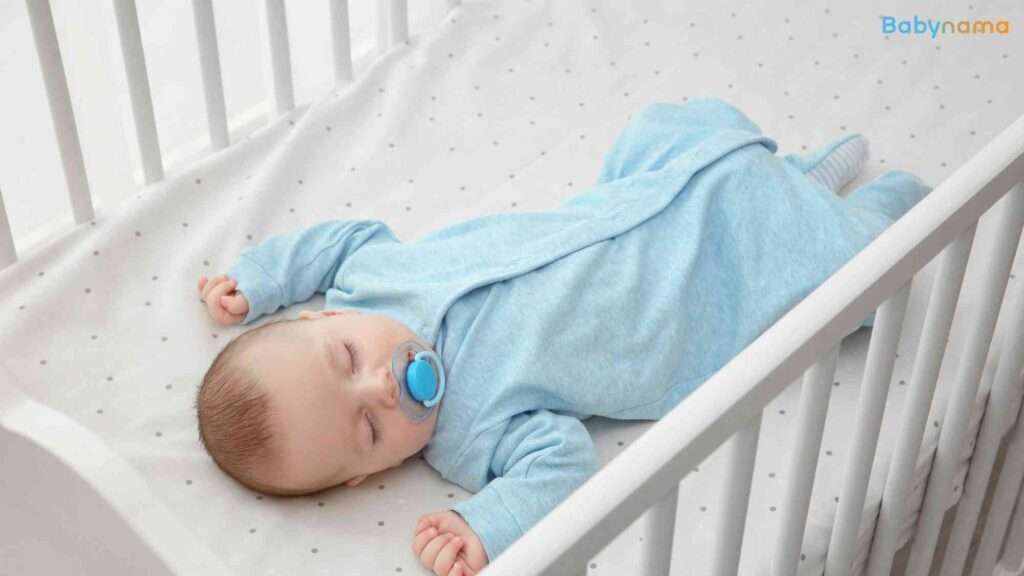
-
Lay a worn t-shirt of yours on the mattress for warmth and scent
Use White Noise
- Start white noise before the transfer
- It masks household sounds
- Provides continuous, soothing background
- Helps baby stay asleep through the transition
Swaddle Before Sleep
Swaddling helps in two ways:
- Prevents startle reflex from flinging arms out
- Maintains warmth and security feeling
- Makes baby feel “held” even when put down
Note: Stop swaddling once baby shows signs of rolling (usually around 3-4 months).
The “Butt First” Hold
When holding baby for sleep:
- Support their bottom with one arm
- Support head/neck with other hand
- Their chest rests against yours
- This position makes the feet-first transfer easier
What If Baby Still Wakes?
Troubleshooting
| Problem | Solution |
|---|---|
| Wakes during transfer | Wait longer for deep sleep |
| Wakes right after put down | Maintain pressure longer |
| Wakes when you remove hands | Remove more slowly, one hand at a time |
| Wakes from startle | Try swaddling |
| Wakes from cold | Pre-warm the mattress |
If Baby Wakes
- Stay calm (babies sense stress)
- Try gentle shushing and patting in the crib first
- If fully awake, pick up and start over
- Each attempt is practice - it gets easier
Age-Specific Tips
Newborns (0-3 months)
- Startle reflex is strongest - swaddling helps most
- Wait extra long for deep sleep
- Keep transfers slow and smooth
- Consider bassinet near your bed
3-6 months
- Startle reflex fading
- May still need slow transfer technique
- Can start sleep training if desired
- Swaddling may need to stop if rolling
6+ months
- Most can be put down more easily
- May benefit from consistent sleep routine
- Can learn to self-soothe
- Transfer technique less critical
Creating Good Sleep Habits
Before Sleep
- Consistent bedtime routine
- Dim lights 30 minutes before
- Calm, quiet activities
- Same sequence every night
The Environment
| Factor | Ideal Setting |
|---|---|
| Temperature | 68-72°F (20-22°C) |
| Light | Dark (blackout curtains help) |
| Sound | White noise or quiet |
| Crib | Firm mattress, no loose items |
Frequently Asked Questions
Q: How long should I wait before putting baby down?
A: At least 20 minutes after they fall asleep. The floppy arm test is more reliable than timing - when their arm lifts and drops loosely, they’re ready.
Q: My baby only sleeps when held - is this normal?
A: Very normal! Babies are biologically programmed to want contact. The transfer technique helps, but some babies take longer to adjust to sleeping independently.
Q: Should I stop holding my baby to sleep?
A: Not necessarily. Holding baby to sleep isn’t “bad” - it’s developmentally normal. If it works for your family, it’s fine. If you want to change the pattern, sleep training methods can help after 4-6 months.
Q: What if my baby won’t sleep on their back?
A: Back sleeping is safest and recommended by pediatricians. If baby struggles, ensure they’re swaddled (if young), the room is comfortable, and try the transfer techniques. Consult your pediatrician if concerns persist.
Q: At what age does this get easier?
A: For most babies, transfers become much easier around 4-6 months when the startle reflex fades and sleep patterns mature. Hang in there!
Key Takeaways
- Wait for deep sleep - Use the floppy arm test
- Feet first - Lower bottom before head to avoid startle
- Maintain contact - Keep pressure on chest after putting down
- Go slow - Remove hands gradually, stay close
- Warm the surface - Cold mattresses wake babies
- Swaddle helps - Contains the startle reflex
- It gets easier - This phase doesn’t last forever
This article was reviewed by Babynama Pediatricians. Last updated: January 2026
General information for Indian parents, not a substitute for your pediatrician. In an emergency, call 112 or 108.
Need personalized guidance? Book a consultation with our pediatricians or explore our Care Plans for 24/7 expert support!
Continue with this topic
A useful next step
Baby sleep chart and safe routinesCheck age-wise sleep ranges, nap patterns, safe sleep and when to seek help.Want Better Sleep for Your Baby?
Our sleep training program helps babies and parents rest better.
Explore Sleep Training